Might & Magic Fates TCG translates legacy into a different format: the digital collectible card game
Set in the Sea of Fates multiverse, in Might & Magic Fates TCG you build decks from hundreds of cards, lead heroes who grow stronger over time, and command the creatures and spells that defined the series. The promise attached to this project is the one every CCG player hopes to hear but rarely believes: glory comes from skill, not wallet depth.
Might & Magic Fates TCG First Look: Art, Atmosphere, and Accessibility
Open the game and the heritage is immediately visible. The art direction leans into stylized fantasy illustrations that evoke the Might & Magic source material without simply copying it. Cards feature clean, expressive character designs. The battlefield itself is an immersive board with dynamic effects that respond to plays, spells leave visual traces, units animate during combat. Might & Magic Fates TCG graphics prioritize clarity alongside atmosphere; you can read the board state at a glance even as effects fire.
The interface scales cleanly across devices. On mobile, touch controls feel natural for dragging cards and targeting enemies. On PC, mouse control is precise. Accounts sync between platforms, so your collection travels with you. Might & Magic Fates cross platform play means you can ladder on PC and complete daily quests on mobile without friction. The tutorial respects your time, explaining core systems without condescension, and new players are fed into casual queues against appropriately matched opponents.
Might & Magic Fates TCG Factions
Four factions anchor the strategic landscape. Might & Magic Fates factions each embody a distinct philosophy. Haven represents order and fortification, with units that protect each other and structures that outlast assaults. Necropolis floods the board with undead swarms, resurrecting fallen units to grind opponents into attrition loss. Inferno plays aggressively, trading defense for direct damage and demonic pressure. Academy controls the battlefield through arcane manipulation, bouncing spells and reordering draws.
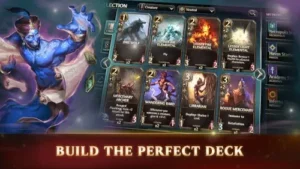
Faction identity isn’t decorative. Your deck’s faction determines available hero abilities, creature synergies, and strategic pacing. A Haven deck wants to establish board presence and outlast. A Necropolis deck wants trades that generate incremental advantage. Might & Magic Fates deckbuilding becomes a conversation between these identities. You can commit to a single faction for reliable synergy or mix factions to cover weaknesses, though at the cost of consistency. The choice matters every match.
Might & Magic Fates TCG Heroes That Grow With You
Your hero is not a static portrait with a fixed ability. Heroes level through play, unlocking new powers and letting you choose upgrades that shape your strategy. This Might & Magic Fates hero progression system adds an RPG layer rarely seen in CCGs. That starting hero you picked on day one will be noticeably stronger after a month of play, not because you paid, but because you played.
Ability choices create branching paths. A Necropolis hero might choose between enhancing resurrection effects or improving swarm generation. An Academy hero might specialize in spell discount or draw manipulation. These decisions compound over time, making your hero feel like yours. Certain heroes naturally align with specific factions, a death oriented hero fits Necropolis obviously, but experimentation is rewarded. Might & Magic Fates hero abilities can support off faction decks if you build around them.
Might & Magic Fates TCG Mechanics: Synergy, Positioning, and Timing
Cards fall into types that behave distinctly. Creatures occupy the board and attack. Spells cast for immediate effect. Artifacts provide persistent advantages. Buildings alter battlefield geometry. Might & Magic Fates gameplay mechanics demand attention to each category’s role.
Positioning is mechanical, not cosmetic. Units have designated frontline and support rows. Melee creatures must be positioned to attack. Ranged units benefit from protection. Area effects target specific rows. Where you place a card can matter more than which card you play. Might & Magic Fates positioning strategy separates experienced players from newcomers.
Timing adds another layer. Holding a card for the perfect moment, a counterspell waiting for their finisher, a board wipe after they overcommit, often wins games that raw card quality would lose. Synergy between cards creates decks greater than their parts. A creature that benefits from spells in a deck full of spells. An artifact that triggers when units die in a Necropolis swarm. These interactions reward planning.
Adaptation is the final skill. Your perfect sequence means nothing if the opponent’s deck counters it. Reading their strategy mid match, recognizing their win condition, and shifting your own plan accordingly separates good players from great ones. The no luck dominant philosophy means mechanics are tuned so that smart decisions outweigh fortunate draws. RNG exists but rarely decides outcomes alone.
Might & Magic Fates TCG holds a 4.5 star rating at the moment of writing on Google Play following its early 2026 launch. The application size is moderate, designed for broad device compatibility. Rated for Teens, its fantasy combat and mild thematic elements align with the franchise’s traditional audience.
For players seeking another skill focused CCG with generous progression, Legends of Runeterra offers a similarly player friendly economy and deep strategic play.
Building Your Collection: Earn, Don’t Just Buy
The acquisition model in Might & Magic Fates TCG reflects its stated philosophy: skill should determine victory, not spending. Booster packs exist, this is still a trading card game, but they are not the only path. You earn cards through regular play. Daily quests award currency. Win streaks on the ladder add to your collection. Events distribute exclusive cards to participants, not just top finishers.
The crafting system provides the safety net every CCG needs. Duplicate cards convert into currency used to craft specific cards you want. This means your collection progresses toward your goals, not just toward random accumulation. Might & Magic Fates TCG collection building rewards focus. If you know which faction you main, you can direct resources toward completing that faction’s core cards first.
Seasonal content refreshes the economy. Each season introduces new cards and challenges, giving returning players reasons to engage and new players catch-up mechanics. The launch collection includes hundreds of unique cards, with expansion planned on a regular cadence. The fairness promise is structural: matchmaking considers collection size, and core cards are accessible through play, not paywalls. A starter deck, piloted well, can beat an expensive deck piloted poorly.
Might & Magic Fates TCG Modes of Play: Solo, PvP, and Events
Different modes serve different purposes, and Might & Magic Fates TCG game modes are designed with this distinction in mind. Solo play against AI is where you learn. New faction? Test it here. New deck concept? Solo mode reveals its weaknesses without ladder punishment. The AI plays competently enough to stress your strategy but predictably enough to let you iterate.
Casual PvP removes the pressure entirely. Unranked matches let you pilot experimental decks against human opponents who are also probably testing. The matchmaker here is looser, prioritizing quick games over strict skill brackets. It’s the ideal space for learning matchups without risking rank.
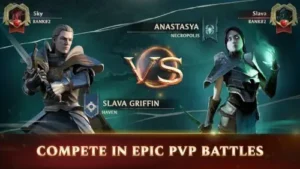
Ranked ladder is where competition sharpens. Seasonal rewards, cards, currency, cosmetic titles, incentivize climbing. The ladder structure resets periodically, ensuring fresh competition and achievable goals for players at all skill levels. Might & Magic Fates PvP ladder rewards consistency over lucky streaks; win streaks matter, but so does overall performance.
Special events rotate through the calendar. Some introduce temporary rule variants, all creatures have rush, spells cost less, certain factions banned. Others are pure PvE challenges with unique boss mechanics. These events award exclusive cards not available in standard packs. Event farming is the most efficient path to a distinctive collection.
Might & Magic Fates TCG Start: A First Week Builder’s Guide
Your first week should establish foundations, not spread you thin. The most reliable Might & Magic Fates TCG tips all emphasize focus. Pick one faction and learn it completely before branching. Haven plays differently from Necropolis. Inferno demands different decisions than Academy. Master one identity, then expand.
Hero upgrades deserve your early resources. Heroes provide lasting value across every deck you build with them. Leveling your main hero unlocks abilities that shift matchups. Might & Magic Fates hero leveling is an investment that pays dividends for months, not days.
Deck testing belongs in solo mode. Every new deck idea should face AI opponents until it demonstrates consistency. Taking untested brews to ladder risks both your rank and your confidence. The AI won’t punish experimental mana curves; human opponents will.
Event farming should be non negotiable. Limited time events offer rare cards at higher drop rates than packs. Even if you lose more than you win, participation rewards accumulate. Might & Magic Fates event rewards are designed to encourage exactly this behavior.
Resource management means hoarding until you’re certain. Crafting currency is scarce early on. Spend it only on cards that complete a deck, not cards that seem cool. Positioning practice matters more than raw card power. A well-placed 3-drop in the support row often outperforms a poorly placed 5 drop in the front line.
Might & Magic Fates TCG Similar Games
The CCG landscape is crowded. Might & Magic Fates TCG similar games invite direct comparison, and understanding those comparisons clarifies what this game offers.
Versus Legends of Runeterra, the similarity is philosophical. Both games emphasize skill and generosity. Runeterra has a larger established player base; Fates has fresher mechanics and positioning depth that Runeterra’s board doesn’t replicate.
Versus Magic: The Gathering Arena, the contrast is accessibility. Arena carries Magic’s decades of complexity and card pool depth. Fates streamlines the tactical layer while preserving meaningful decisions. Magic players will find Fates familiar but lighter; new players will find Fates approachable.
Versus Hearthstone, the hero progression system is the differentiator. Hearthstone’s heroes are static. Fates heroes grow, gaining abilities that reflect your playstyle. Hearthstone leans into randomness; Fates minimizes it.
Versus Shadowverse, faction identities align but mechanics diverge. Shadowverse’s evolve mechanic creates explosive turns. Fates’ positioning creates sustained pressure. Both reward planning, but the execution differs.
Versus Yu-Gi-Oh! Master Duel, the contrast is speed. Yu-Gi-Oh! combos can chain into minutes-long turns. Fates maintains a consistent tempo where both players interact regularly.
Might & Magic Fates unique position combines recognizable IP, RPG hero growth, and positioning mechanics into a package that feels distinct despite its familiar genre trappings.
Conclusion: Who Should Enter the Fray?
The strengths are clear. Strategic depth rewards learning. The free to play model is genuinely generous. Faction identities feel distinct and worth mastering. Hero progression adds long-term account value that most CCGs lack. The art direction respects the Might & Magic legacy while standing on its own.
The limitations are honest ones. This is a new game. Its card pool, while sizable at launch, cannot match competitors with years of expansions. The competitive scene is building, not built. Content variety will grow with seasons, but day-one players will exhaust current options faster than veterans of established games expect.
So who is this for? Might & Magic Fates TCG target audience includes CCG veterans exhausted by pay to win dynamics. It includes Might & Magic fans curious to explore the universe through cards. It includes strategy gamers who value positioning and timing over raw stats and lucky draws. It includes anyone seeking a fair competitive card game where learning matters more than spending.
It is not for players who want pure chaos and luck driven outcomes. It is not for those unwilling to learn faction identities and positioning fundamentals. It is not for anyone demanding a complete, massive card pool on day one.
But for the player who reads patch notes, who tests decks against AI before ladder, who values a well-placed unit over a lucky topdeck, Might & Magic Fates TCG was designed with you in mind. The question isn’t whether you can compete without spending. The question is whether you want a game where that statement is true.
FAQ
Is Might & Magic Fates TCG actually free to play?
Yes, the game is completely free to download and play. You can build a competitive collection through regular play, daily quests, and events without spending money. The economy is designed so that skill matters more than spending. Optional purchases exist for cosmetics or accelerated collection building, but no essential cards are locked behind paywalls.
Where can I get the game and find official information?
I’m having technical issues or account problems. Who can help?
For technical support, bugs, or account concerns, contact Ubisoft’s customer service team through their official support channels or at email: android.support[at]ubisoft.com . The support portal is linked from the game’s official website. Including your platform, account details, and a clear description of the issue will help them assist you efficiently.
How do factions work, and which one should I start with?
The four factions, Haven, Necropolis, Inferno, and Academy, each offer distinct playstyles. Haven focuses on order and fortification. Necropolis excels at swarms and attrition. Inferno prioritizes aggression and direct damage. Academy controls through spell manipulation. New players should pick one faction that matches their preferred style and learn it thoroughly before mixing. The starter decks provide a solid foundation for each.
What’s the best way to build my collection efficiently?
Focus on completing daily quests and participating in limited time events, as these provide the best card rewards. Use the crafting system to convert duplicate cards into specific ones you need for your main deck. Prioritize hero upgrades early, as they provide lasting value across all decks using that hero. Test new deck ideas in solo mode before taking them to ranked ladder.