

VEGA Conflict begins not with a tutorial, but with a quiet moment of tension.
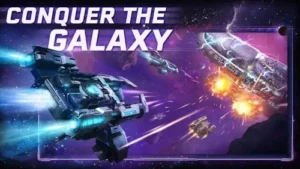

Your fleet hangs in the void, scanners painting the hostile signatures ahead. The math is simple: they have more tonnage, more guns. But warfare in the Vega system is not a spreadsheet exercise. It is a game of strategic calculus, where the fleet you designed and the allies you keep determine the outcome long before the first volley is fired. This is a space where composition and diplomacy consistently overpower brute force.
Before any battle cry, there is the quiet work of the shipyard. This is the primary creative outlet in VEGA Conflict, a strategic puzzle where every choice carries weight. You are not just picking ships; you are architecting a fighting force.
The process starts with a surprising variety of hulls, each a blank slate. The real depth, however, lies in the loadout. Do you outfit a cruiser with long range artillery, sniping enemies from a safe distance, or pack it with brawler style short range cannons and heavy armor? The selection of weapons, shields, and specialized modules allows you to craft a fleet with a specific personality. A well conceived loadout can hard counter a more powerful but poorly composed enemy force. This is where engagements are truly decided. How does a purpose built fleet find its purpose? It demands a proving ground.
VEGA Conflict: PvP and the Art of the Engagement
That proving ground is the real time PvP arena. The shift from the planning stage to live combat is abrupt. Your meticulously designed fleet is now a tangible instrument, and its effectiveness hinges on your moment to moment decisions.
Positioning is paramount. Sending a fragile, high damage ship into the enemy’s firing line spells instant disaster. Target priority separates novice commanders from seasoned admirals; eliminating a healer or support vessel first can cripple an entire enemy formation. Then come the commander abilities, activated in real time, which can turn the tide with a well timed shield boost or a devastating area of effect strike.
This stands in contrast to the more predictable, scripted challenges of the PvE campaign, which serves as a valuable training ground for these live fire exercises. But in a galaxy teeming with rivals, sustained solitary combat is a path to obsolescence.
The Power of the Collective: Alliances as a Strategic Imperative
In VEGA Conflict, an alliance is not a social feature; it is a strategic imperative. The game transforms when you join a group of like minded commanders. A skirmish between individual players evolves into a war of attrition and territory control between factions.
Coordination becomes your greatest weapon. Alliances allow for shared intelligence, coordinated strikes on high value targets, and the pooling of resources for massive projects. An active alliance offers protection for your assets and creates a community, often extending to platforms like Discord where grand strategies are formulated. This social framework turns a collection of individual players into a cohesive military power. But this constant state of warfare, whether for your alliance or your own ambition, requires a robust foundation.
Your Corner of the Galaxy: The Base as Beating Heart
That foundation is your space station. It is easy to mistake base building for a passive side activity. In reality, your station is the beating heart of your war effort. Every resource mined, every technology researched, and every structure upgraded directly translates into the power of your fleet.
The connection is explicit. A higher level shipyard unlocks more advanced hulls. Improved resource buildings fund the constant cycle of repairs and new construction. Technology research grants access to the very weapons and modules that define your loadouts. This cycle introduces a strategic layer to the pacing; upgrades take time and resources, requiring forethought. Do you invest in immediate military power or long-term economic growth? This management is the unglamorous, yet absolutely critical, work that fuels your ambitions in the Vega system.

VEGA Conflict: Commanders and Constant Conflict
Beyond the blueprints of your ships and the fortifications of your station lies the true variable: your fleet commanders. These characters are not just portraits; they are the specialized tools that personalize your approach to VEGA Conflict. Each commander possesses a unique ability that can redefine a battle, a targeted system disable, a fleet wide damage buff, or a critical repair field. Selecting a commander whose ability synergizes with your fleet composition is a fundamental VEGA Conflict tip for overcoming specific threats.
Do you build your strategy around a commander’s strength, or choose a commander to cover your fleet’s weakness?
This entire ecosystem, fleet, base, commander, is continuously tested by weekly events. These are not mere distractions; they are the lifeblood of the endgame, designed to prevent strategic stagnation. They present fresh objectives, from cooperative boss fights to faction based territory wars, that demand you use every tool at your disposal. Success in these events yields exclusive rewards, often providing upgrades or resources that accelerate your progress. For players seeking a VEGA Conflict alternative game, this constant cycle of new content is a significant factor to consider, as it ensures the meta-game remains dynamic.
Conclusion : A Commander’s Life
So, what is the final assessment of the VEGA Conflict game? It is a deeply engaging, socially driven strategy title that unequivocally rewards careful planning and tactical foresight. The high that comes from orchestrating a perfect fleet maneuver or winning a war of attrition with your alliance is genuine and potent.
This satisfaction, however, operates within a specific framework. Player sentiment accurately reflects a duality: the thrill of strategic victory is often balanced against the deliberate pacing of progression. Upgrade timers and resource requirements are a core part of the game’s rhythm, and while free to play players can achieve much through skill and alliance collaboration, the presence of paying players who progress faster is a noticeable part of the landscape. The game does not disguise its model. It asks for investment, not just of money, but of time and cognitive energy. It rewards those who think several steps ahead and find joy in the long term orchestration of power.
Furthermore, players often share active VEGA Conflict codes on official social media channels and community Discord servers, which can provide a valuable early game boost of resources. Engaging with these communities is, in many ways, the first and most important strategic decision you can make.

Frequently Asked Questions
What is the main goal in VEGA Conflict?
The core objective is to build a powerful faction by strengthening your fleet, forming a strong alliance, and expanding your influence across the galaxy. It’s a long term strategic effort focused on player versus player competition and cooperative alliance warfare.
Where can I get the game?
The official VEGA Conflict download is available on the Google Play Store for mobile devices. You can also access the game on PC through the official VEGA Conflict website from KIXEYE.(TEMP Removed From Play Store)
Is there a good resource for strategies and ship stats?
Yes, the community run VEGA Conflict wiki is the best place for that. It’s a comprehensive database for ship loadouts, commander abilities, and base building strategies, maintained by experienced players.
I’m having a technical issue with my account. Who should I contact?
For any problems with your account or technical support, you should contact the developer, KIXEYE, directly. Their support team can be reached at support[at]kixeye.com.
What’s the best way to get a strong start in the game?
Focus on balancing your resource production and joining an active alliance early. An alliance provides protection, shared resources, and crucial advice. Also, regularly check the official channels for any active VEGA Conflict codes that grant free resources or speed ups.