

Anchor Panic offer a specific thrill in commanding a squad of elite soldiers against an existential threat, especially when they look like they stepped out of your favorite anime.
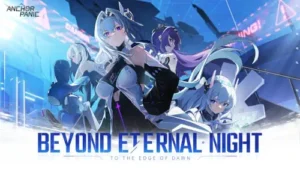

Anchor Panic, developed by HOWLYO GAME and launched globally in September 2025, delivers exactly that. Set a century after the devastating Shogger War, humanity survives behind protective Skyborne Barriers, relying on enhanced warriors called Operators, charismatic female fighters powered by AIMBS technology . You are a Linker, tasked with assembling these Operators, managing their growth, customizing their dorms, and deploying them in tactical turn based battles against new interdimensional horrors.
Anchor Panic First Deployment: Visuals, Sound, and World Introduction
The visual identity is immediately striking. Stunning 3D models bring Operators to life with fluid skill animations and cinematic effects . The art direction leans into detailed sci-fi environments and expressive character designs. Technical performance is mobile optimized at approximately 6.5GB, though some stiff animations have been noted and are improving through patches . The soundtrack earns praise for enhancing the sci-fi atmosphere. Your first impressions involve meeting Operators like Merlot through the onboarding banner, learning the tactical basics, and defending the Barrier. The world hooks you quickly.
Anchor Panic Tactical Combat: Energy, Countdowns, and Formations
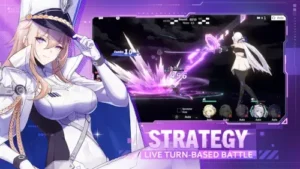
Combat is turn based with reactive layers. You select formations pre-battle; each character acts before their Action Countdown expires . The energy system means skills cost energy slots; normal attacks are free. Timing skills before the countdown hits zero triggers combos, leading to character ultimates .
This adds a real time pressure to turn based decisions. Elemental synergies boost damage and enable special effects when matching attributes. Positioning matters, formations affect targeting and enemy attack patterns. Boss targeting requires experimenting with formations to focus down priority threats . The system rewards planning over brute force.
Anchor Panic Operators: Roles, Progression, and Customization
The roster is built around charismatic female warriors with distinct designs and personalities . Each fills a combat role: damage, defense, or support . Building balanced teams is essential. Progression systems include ascension, skill enhancement, sigils, and breakthroughs for long-term growth . Pulling duplicates converts to valuable upgrade materials. The dorm is more than cosmetic, it allows customization and interaction, building affinity that unlocks passive bonuses like faster resource regeneration or small stat boosts .
Anchor Panic Gacha System: Banners, Currency, and F2P Flow
The gacha uses the Link Search system . Special Link Permits are the primary currency, bought with Crystal Ashes earned through story, dailies, and events . UP Link Banners feature rate-ups for specific SSR Operators, making them the smartest place to spend . The pity system guarantees an SSR after 50 pulls on a single banner, ensuring effort is rewarded . SR Operators are frequently pulled and offer excellent early-game utility . A 0.99 starter pack grants SSR Ling after three login days, a powerful early DPS boost that anchors new accounts .
Anchor Panic maintains a solid presence with strong character art and music praised across reviews . The app size is approximately 6.5GB . Rated Teen, its sci-fi violence and anime aesthetics suit a mature audience. The game benefits from steady daily rewards and a 30 day allowance calendar that encourages consistent logins . While some early bugs and menu overload drew criticism, post launch improvements continue .
For players seeking another tactical gacha with deep character investment, Honkai: Star Rail offers similar energy based turn combat, while Arknights provides formation strategy with tower defense elements .
Anchor Panic Start: A First Week Linker’s Guide
Your first week should establish efficient habits. The best Anchor Panic tips for beginners focus on resource discipline and combat fundamentals.
Role balance means building squads with one damage, one defense, one support early. This covers most content.
Currency management requires restraint. Save Crystal Ashes for rate-up banners. Do not pull on every banner. The pity system guarantees an SSR after 50 pulls on a single banner, so focusing resources matters .
Countdown timing is the core skill. Practice skill timing before countdown expires. Combos win fights.
Formation experimentation matters for boss encounters. Test different setups. Positioning affects targeting.
Daily priority means completing all daily missions and allowances. The steady income adds up.
Roster depth requires leveling all Operators. Content sometimes demands specific roles. Gaps hurt.
Patience is the final lesson. Early progression is generous. Endgame requires investment.
Anchor Panic Progression: Story, Dailies, and Base Management
Advancement in Anchor Panic flows through multiple connected systems. The story chapters are your primary narrative driver, revealing pre-war secrets and Operator backstories as you defend the Barrier. Each chapter introduces new threats and character moments.
Daily routines form the steady income backbone. Repeatable missions award Credits, EXP, and Crystal Ashes, the core currencies for pulls and upgrades . The allowance system rewards consistent logins with bonus resources. These daily habits add up over weeks.
Base building adds a management layer. Construct and upgrade facilities for passive bonuses that improve over time. Resource generation, stat buffs, and other perks come from smart facility placement.
Dorm customization is more than cosmetic. Personalizing living spaces for Operators increases affinity, unlocking passive bonuses like faster energy regeneration or small stat boosts . It also builds emotional investment in your roster.
Operator upgrades require fragments earned through gameplay. Ascension increases level caps. Skill enhancement improves combat effectiveness. Sigils and breakthroughs add long term growth paths. Investing in favorites pays off.
Anchor Panic Endgame: PvP Arena and Competitive Play
Once the story catches up, the PvP arena offers ongoing challenge. Test your squad against other players’ formations. The ranking system uses global leaderboards to track performance. Climbing ranks rewards arena currency for exclusive items.
Meta evolution means team compositions shift with new Operator releases. What works today may not work next month. Strategy depth matters more than raw power, countdown timing and formation choices separate top players from the rest.
Anchor Panic Economy and Monetization: The F2P Reality
The free to play model relies on gacha for core character acquisition. Banners rotate with rate-ups. Free currency income flows steadily through dailies, allowances, and events . The 30 day allowance calendar encourages consistent logins .
The Battle Pass offers an optional paid track for consistent value. Launch reception praised solid F2P progression while criticizing early bugs and menu overload. Post launch improvements show developer responsiveness, with regular patches addressing issues.
Anchor Panic Similar Games
The sci-fi turn based gacha space has competition. Understanding Anchor Panic similar games clarifies its specific appeal.
Versus Snowbreak, both offer sci-fi waifu turn based combat. Anchor Panic adds countdown timing and formation depth.
Versus Reverse: 1999, tactical timing appears in both. Anchor Panic has 3D combat; Reverse uses 2D presentation.
Versus Arknights, formation strategy is shared. Anchor Panic is turn based; Arknights is tower defense.
Versus Honkai: Star Rail, energy skill turns exist in both. Anchor Panic adds countdown mechanic and Operator focus.
Versus Girls’ Frontline 2, sci-fi Operators appear in both. Anchor Panic adds dorm customization and PvP arena.
Anchor Panic’s unique territory is specific: it is the only sci-fi turn based gacha with countdown timed combos, 3D Operator models, and base/dorm management. No competitor offers that combination.