

Fortnite it is a f2p cross platform game and game platform centered on Battle Royale, Zero Build, concerts, live events, and creator made experiences.
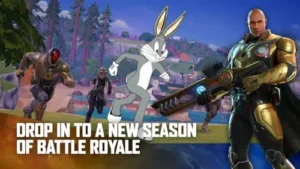

Fortnite developed by Epic Game core is familiar to anyone who has played a battle royale: drop, loot, survive, build (or use cover), and be the last player standing. How did a battle royale game become a lasting cultural platform? With Unreal Engine 5.1 upgrades, rotating seasons, live events, and a thriving creator ecosystem in 2026, the answer is that Fortnite evolved beyond its origins into something much larger.
Fortnite First Drop: Visuals, Style, and Unreal Engine Polish
The visual identity is unmistakable. Colorful, cartoonish art style with highly readable visuals that stay clear during fast fights. Technical upgrades have kept the game visually relevant; Unreal Engine 5.1 brings Nanite, Lumen, Virtual Shadow Maps, and Temporal Super Resolution for better visual fidelity . The art direction balances stylized art with modern lighting and environmental detail.
Performance is optimized across PC, console, and mobile, with full cross platform play. Your first impression involves dropping onto the island, looting your first weapon, and surviving your first encounter. The chaos is immediately engaging.
Fortnite Battle Royale: The Core Experience
The foundational game mode remains the heart of Fortnite. The setup is simple: drop onto an island with 100 players, loot weapons and items, and survive as the storm closes in . The victory condition is being the last player or last squad standing. The building mechanic sets Fortnite apart, gather materials and construct walls, ramps, floors, and forts in real time for defense, movement, and high ground control . The storm system forces engagement; the safe zone shrinks over time, and staying outside is a major risk. Loot variety includes weapons, healing items, shields, and utility items scattered across the map.
Zero Build: Fortnite Without the Building
For players who find building intimidating, Zero Build offers a pure alternative. The concept is all the battle royale action without the building mechanic . Focus shifts to positioning, cover, and aim as the primary skills. Accessibility lowers the barrier for new players who might be intimidated by fast building. Strategy relies on natural terrain, existing structures, and mantling for mobility. The appeal captures players who enjoy traditional shooters like PUBG or Warzone.
Fortnite Building Mechanics: The Skill That Separates
The building system is what makes Fortnite mechanically unique. Resource gathering means harvesting wood, stone, and metal from the environment. Structure types include walls, ramps, floors, and cones, each serving different tactical purposes . Building speed separates casual players from competitive players. High ground advantage is real, building up gives better angles and defensive position. Editing allows advanced players to modify structures mid-fight for unexpected angles. Mastery of building is a skill that rewards practice.
Fortnite Live Events and Seasons: Why Fortnite Never Gets Stale
The seasonal content model keeps players returning. The Battle Pass offers seasonal progression with exclusive skins, emotes, and rewards. Live events are spectacles, in-game concerts, story climaxes, and world-changing events like the Travis Scott concert or Galactus . Map changes arrive each season, bringing new locations, mechanics, and visual updates. Collaborations with Marvel, Star Wars, anime, musicians, and more keep the cultural conversation alive. Rotating modes ensure limited time gameplay stays fresh.
Fortnite maintains a massive player base across all platforms. The mobile version is available through the Epic Games App on Android and via cloud services on iOS. The game size is substantial (30-40 GB on PC, smaller on mobile). Rated Teen (ESRB) and 12+ (PEGI), its cartoon violence suits a broad audience. The game is f2p with no pay to win mechanics; monetization is purely cosmetic through the Battle Pass and Item Shop. Cross platform play and cross-progression unite players across PC, console, and mobile.
For players seeking another battle royale experience, Apex Legends offers squad focused play with character abilities, while PUBG Mobile provides a more realistic military shooter alternative.
Creator Ecosystem: Fortnite as a Platform
The creator side of Fortnite has grown into something massive. Unreal Editor for Fortnite (UEFN) gives creators powerful tools to build custom games and experiences directly within the ecosystem . This is not just modding, it is a full development environment.
Creator made maps number in the thousands, covering genres far beyond battle royale. Racing, roleplay, puzzle, horror, tycoon, and social hangouts all exist inside Fortnite. The Discovery tab lets you browse and play community content directly, no external downloads required.
Monetization means creators can earn from their maps, fostering a thriving creative economy. The social hub aspect is equally important, Fortnite becomes a hangout space where friends can jump between different experiences without ever leaving the game.
Fortnite Cross Platform Play: Play Anywhere, Together
The technical foundation that unites the player base is a major strength. Supported platforms include PC, PlayStation, Xbox, Nintendo Switch, Android, and iOS via cloud or specific versions. Full cross play means you can play with friends regardless of their platform.
Cross progression ensures your account progress, skins, and purchases carry across every device. The mobile experience includes optimized touch controls and controller support. And it is all free to play, no purchase required to access the full experience.
Fortnite User Reviews and What the Community Says
The community response to Fortnite reflects its unique position. Positive reception centers on constant updates, the unique building mechanics, strong social play, and spectacular live events. Players appreciate that the game never stays the same for long.
The skill gap around building can intimidate new players, which is why Zero Build mode was introduced. Meta changes from frequent updates keep the game fresh but can frustrate players who prefer consistency. Polarizing aspects mean some players prefer simpler shooters, while others embrace the creativity. The longevity of Fortnite comes from the creator ecosystem and live events that keep players returning year after year.
Fortnite Economy and Monetization:
Is one of the most player friendly in gaming. The core game is completely free with no p2w mechanics. Battle Pass offers a seasonal pass for exclusive cosmetics that pays for itself with earned V Bucks if you complete it.
The Item Shop rotates cosmetics like skins, emotes, and wraps available for V-Bucks. V-Bucks are the premium currency earned through the Battle Pass or purchased. F2P viability is genuine, all gameplay content is accessible for free; spending is purely cosmetic.
Starting Smart: A First Week Fortnite Player’s Guide
Your first week should establish good habits. The best Fortnite tips focus on fundamentals.
Try both modes to see which fits your style. Battle Royale with building or Zero Build without.
Learn building basics if you play Battle Royale. Practice quick walls and ramps. High ground wins fights.
Zero Build strategy means focusing on positioning, using natural cover, and aiming.
Land smart by choosing less crowded drop spots to loot safely before engaging.
Stay aware of the storm circle. Plan your movement early.
Use headphones because audio cues like footsteps, chests, and gunfire are critical.
Play with friends. Squad play is more forgiving and more fun.
Complete quests. Battle Pass challenges provide direction and rewards.
Fortnite Similar Games and How It Compares to Other Battle Royale Games
The battle royale genre has its competitors. Understanding Fortnite similar games clarifies its unique position.
Versus Apex Legends, both are squad focused. Fortnite adds building and solo options where Apex emphasizes character abilities.
Versus PUBG, the contrast is tone. PUBG is a realistic military shooter; Fortnite is colorful and cartoonish with building mechanics.
Versus Call of Duty: Warzone, both are fast-paced. Fortnite emphasizes building and creative play; Warzone focuses on loadout drops.
Versus Minecraft, both have building. Minecraft is survival and crafting; Fortnite is competitive battle royale.
Versus Roblox, both are social platforms with user-generated content. Fortnite has a unified battle royale core that Roblox lacks.
Fortnite’s unique territory is specific: the only major battle royale combining building mechanics, Zero Build alternative, creator made experiences, cross platform play, live events, and a thriving cosmetic economy into one free to play ecosystem.
Conclusion: Who Should Play Fortnite?
The strengths are clear. Free to play with no pay to win mechanics. Cross platform play with friends regardless of their device. Constant updates and live events keep things fresh. Zero Build mode welcomes traditional shooter fans. The creator ecosystem extends content infinitely. Colorful, accessible visuals. Strong social layer. Cultural relevance that goes beyond gaming.
The limitations deserve acknowledgment. The building skill gap can intimidate new players. Frequent meta changes may frustrate those who prefer consistency. Game size is large (30-40GB+). The mobile version requires a strong device.
So who is this for? The Fortnite target audience includes players who enjoy social gaming with friends. Fans of battle royale and competitive shooters. Creative players interested in building and creator tools. Those who appreciate live events and seasonal content. Anyone looking for a free game with endless replayability.
It is not for players who prefer realistic military shooters. Not for those who dislike constant change and meta shifts. Not for anyone with limited storage or older mobile devices. Not for players seeking a single-player experience.
But for the player who wants to drop in with friends, build a tower, watch a concert, then play a custom horror map, Fortnite has been evolving since 2017. The island is waiting. The creator ecosystem is thriving. Jump in.

FAQ
Is Fortnite free to play?
Yes, Fortnite is completely free to download and play. The core Battle Royale and Zero Build modes, along with creator-made experiences, are fully accessible without spending. Optional purchases are purely cosmetic, skins, emotes, and Battle Pass rewards, with no pay-to-win mechanics.
Where can I get the game and find official information?
You can complete your Fortnite download directly from Google Play Store or by the Epic Games Store (PC), console stores (PlayStation, Xbox, Nintendo Switch), Google Play (Android), or via cloud gaming on iOS. For official news, updates, and developer announcements, visit the official Fortnite website at fortnite.com. For support, contact Epic Games through their help portal or by email at: help[at]fortnite.com.
What is the new rivalry gameplay in the latest season?
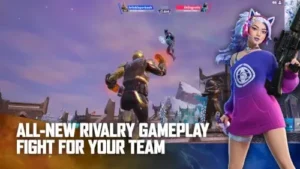
The current season introduces fresh competitive modes where players fight for their team in all new rivalry gameplay. Events like Bricklayer Bash and Skilling Rolls (showing scores like 66 and 214) challenge players to prove their skills. Each season brings unique limited-time modes and map changes to keep the experience fresh.
What’s the difference between Battle Royale and Zero Build?
Battle Royale includes the classic building mechanic where players gather materials to construct walls, ramps, and structures for defense and high ground advantage. Zero Build removes building entirely, focusing on positioning, natural cover, and traditional shooter mechanics. Both modes share the same core battle royale experience.
How do I get better at Fortnite?
Start by trying both Battle Royale and Zero Build to see which fits your style. In Battle Royale, practice quick building, walls and ramps save lives. In Zero Build, focus on positioning and using natural cover. Land in less crowded areas to loot safely. Play with friends for more forgiving squad matches. Complete Battle Pass quests for direction and rewards. Use headphones, audio cues are critical.