

The Walking Dead: Aftermath arrives as a f2p mobile title that mashes up Vampire Survivors style horde combat with base management and character progression.

What Makes This Different From Other Walking Dead Games?
Most Walking Dead games fall into two categories. There’s the Telltale style narrative adventure. Then there are the 4X strategy titles where you manage settlements and wait for timers. The Walking Dead: Aftermath tries something else entirely.
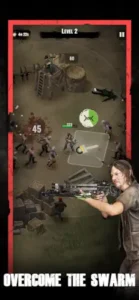
At its core, this is a Vampire Survivors style roguelite. You control a survivor on a map, enemies flood in from all directions, and you collect XP to level up and choose upgrades. The goal? Survive until the timer runs out.
The twist is the Walking Dead skin. You’re fighting walkers instead of skeletons. You’re playing as Rick Grimes, Daryl Dixon, Michonne, Glenn, or Maggie instead of generic characters. And between runs, you’re managing a camp instead of just jumping into the next level.
This approach fits the franchise better than you’d expect. The Walking Dead has always been about desperate survival against overwhelming odds. That’s exactly what a roguelite delivers. Every run feels like a fight for your life. Every decision matters.
How the Roguelite Loop Actually Works
Here’s what happens when you press “start.”
The Run Structure
You control a survivor using a virtual joystick. Walkers swarm the map. Each enemy you defeat drops XP. When you level up, you choose from three random upgrades.
Runs typically last around five minutes, which makes them perfect for mobile gaming. You can fit in a quick session between meetings or during your commute.
The combat feels immediate and responsive. You’re constantly moving, dodging, and positioning yourself to avoid getting surrounded. Some characters excel at close combat. Others strike from a distance. Your choice of survivor shapes how you play.
Upgrade Choices That Matter
This is where the game gets interesting. Each level-up presents three randomized ability options. Some builds scale incredibly well. Others fall flat.
For example, you can build around throwing knives, then transform that build entirely with upgrades that increase attack frequency or add area-of-effect damage. What starts as a slow, single-target build can become a slaughterhouse ability later in the run.
The key is recognizing synergy. Don’t just pick random buffs. Look for combinations that amplify each other. A grenade build paired with upgrades that increase grenade frequency, damage, and radius can clear entire screens of walkers.
Between Runs – The Camp System
Your camp isn’t just a menu. It’s where progression lives.
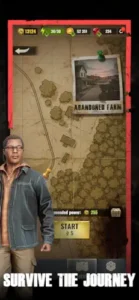
You spend resources earned from runs to develop your camp. Build watchtowers. Assign survivors to garrison roles. Generate resources that support long term survival.
The camp also determines your power level. Stronger camps mean stronger survivors. Stronger survivors mean you can take on harder chapters and earn better rewards.
The Walking Dead: Aftermath Playable Survivors – Who Should You Unlock First?
Rick Grimes. Daryl Dixon. Michonne. Glenn. Maggie. Carl. T-Dog. The roster pulls from across the Walking Dead universe. Each survivor brings unique weapons and combat styles.
Rick Grimes wields his signature revolver. Precise, powerful, but slower than some options.
Daryl Dixon favors crossbow attacks. Good range, solid damage.
Michonne is a melee powerhouse. Her katana cuts through walkers quickly, though close combat carries more risk.
T-Dog swings a bat in a wide cone. He hits multiple enemies at once, making him excellent for crowd control. Players have found success by standing near defensive towers and letting T-Dog clear waves while the tower provides backup.
Carl carries his father’s revolver, offering a ranged option with decent stopping power.
For new players, T-Dog offers the smoothest start. His melee cone attack means you don’t need precise aiming. Plant yourself near a watchtower and let the kills roll in.
Michonne appears to be the premium option, with stats that exceed the starter survivors. If you’re willing to spend, she’s likely worth it.
The Walking Dead: Aftermath Enemy Variety – It’s Not Just Walkers
The game throws multiple enemy types at you. Each requires a different approach.
Standard walkers are slow but relentless. They keep coming. Stay mobile to avoid getting surrounded.
Armored walkers require more hits to take down. Don’t waste time on them if you’re outnumbered.
Burning walkers add fire damage to the mix. Keep your distance.
Explosive walkers detonate when defeated. Stay clear of the blast radius.
Armed humans are just as dangerous as the infected. They shoot, they take cover, and they don’t stop until you put them down.
Larger undead and boss variants appear in later chapters and limited-time events. These fights test your build and your movement skills.
The Walking Dead: Aftermath Graphics, Atmosphere, and Franchise Faithfulness
The game aims for a dark, gritty Walking Dead atmosphere. Environments look ruined and abandoned. The character models are recognizable from the TV series, though not photorealistic.
Some reviewers note that the visuals feel generic, with a muddy grey color palette that doesn’t stand out in a genre filled with stylized games. Others say it captures the franchise mood well, even if the broader mobile systems feel familiar.
Performance varies. Some players report heating issues on older phones. Others find the game runs smoothly. The latest updates include performance optimizations, so newer versions may have addressed these concerns.
The Walking Dead: Aftermath F2p Reality – What’s the Monetization Like?
Here’s the elephant in the room. The Walking Dead: Aftermath is free, but it’s packed with monetization systems.
What you’ll encounter:
-
Gems as a premium currency
-
Gear crates with random drops
-
Video watching to double rewards
-
Revive ads when you fall during a run
-
Starter packs and currency bundles
-
An energy system that limits how much you can play
-
A gacha system for unlocking premium survivors
Players who hit the early game will enjoy a smooth experience. Then the monetization layers kick in. You’ll see pop-ups for currency. Prompts to watch videos for bonuses. Tutorials for gacha banners.
The developer has responded to criticism. When players complained about a difficulty spike that pushed them toward spending, the team eased the difficulty back down. They’ve also added the ability to farm earlier chapters, letting free players power up without spending money.
Energy is the biggest frustration. When you’re out, you either wait, pay, or stop playing. That’s a dealbreaker for some players.
What Players Are Actually Saying about The Walking Dead: Aftermath
App Store ratings: 4.9 out of 5 from over 19,500 ratings. That’s impressive.
But the reviews tell a more nuanced story.
Positive comments highlight:
-
Smooth gameplay that feels true to the show
-
The fun of experimenting with different builds
-
Runs that are short enough to fit into any schedule
-
The excitement of unlocking and playing as iconic characters
Criticism centers on:
-
Monetization that feels aggressive
-
The energy system that limits playtime
-
Difficulty spikes that push players toward spending
-
Repetition that sets in after the initial honeymoon period
The verdict from players: If you enjoy the roguelite survival loop and love The Walking Dead, you’ll likely have a good time. But the f2p pressure is real, and it’s not going away.
The Walking Dead: Aftermath Essential Tips for New Players
Straightforward advice for anyone jumping into The Walking Dead: Aftermath game. No fluff. Just actionable steps that improve your first few hours.
Movement Comes First
Staying alive matters more than chasing kills. Learn to dodge before you learn to fight. Most losses come from getting surrounded, not from being outgunned. The virtual joystick controls are responsive, so take advantage of that mobility.
Build Around Synergy
Random upgrades are tempting. Focused builds win runs. Know what works together. One effective strategy involves choosing grenades and everything connected to them. Select upgrades that make grenades appear more often, let you throw multiple at once, increase their damage, and expand their blast radius. Mines also work well since they drop as you move, and in this build, you’re constantly moving.
Camp Upgrades Are Not Optional
Skipping camp progression makes future runs harder. Spend your resources wisely. Build watchtowers, assign survivors to garrison roles, and generate resources that support long-term survival. Even small upgrades add up over time.
Survivors Change Everything
Some characters are better than others. Prioritize the strong ones. T-Dog offers a smooth start with his close-range cone attack that hits multiple enemies at once. You can stand near a watchtower and let T-Dog clear waves while the tower provides backup. For a different approach, Carl works well with a grenade build since ranged characters pair better with movement focused strategies.
Learn Enemy Patterns
Explosive walkers punish careless positioning. Armored ones punish weak weapons. Burning walkers add fire damage to the mix. Armed humans shoot and take cover. Know the difference before you engage. The enemy variety keeps things interesting, but each type demands a different response.
Play in Short Sessions
This game is designed for bursts. Don’t force long sessions if the loop isn’t clicking. The energy system limits how many campaign missions you can play, but you can use that downtime to try other modes like Lumber Run. Just be aware that you’ll need five energy bars for each mission, and each bar takes 20 minutes to refill.
Join an Alliance
Alliances offer rewards, defense coordination, and leaderboard competition. Form or join an Alliance to coordinate with fellow players, defend your camp, and compete against rival groups for leaderboard dominance and valuable rewards. Events and leaderboards offer extra rewards, so don’t leave them on the table.
How The Walking Dead: Aftermath Compare to Other Roguelite Games?
Vampire Survivors, Brotato, Heroes vs Hordes, Survivor.io. The genre has heavy hitters. The Walking Dead: Aftermath similar games include these titles, but the game carves its own identity.
The developer behind The Walking Dead: Aftermath is Ares Interactive, the same studio behind Heroes vs Hordes, which has surpassed five million downloads on Google Play. That experience with fast-paced roguelite combat shows in the gameplay. The core loop is undeniably similar to Vampire Survivors. Characters automatically fire at the nearest enemy, you move around collecting experience points, and you choose upgrades when you level up.
However, Aftermath adds meaningful layers. The camp-building system between runs sets it apart. You’re not just upgrading stats in a menu. You’re assigning survivors, building watchtowers, and managing resources. This gives the progression loop more depth than most genre competitors.
The Walking Dead theme is also a major differentiator. Fighting walkers as Rick Grimes or Michonne feels different from generic horde survival. The game features locations from the TV series including Hershel’s Farm, Woodbury, and Alexandria, giving fans a reason to keep playing.
Where it falls short compared to peers like Vampire Survivors is the energy system and monetization pressure. Those games let you play endlessly. Here, you hit walls that require either patience or payment. Some reviewers note that simple gameplay mechanics often lead to the most addictive experiences, and Aftermath is no exception in that regard. The core is solid. It just comes with strings attached.
The Walking Dead: Aftermath Community and Competitive Play
Alliances, leaderboards, events. This game has social hooks designed to keep players engaged over time.
The alliance system lets players coordinate defense, share strategies, and compete on leaderboards. You can form or join an Alliance to defend your camp against threats and earn rewards that help progression.
Boss Arena challenges arrive as limited-time events where players battle a massive boss for rewards and league promotion. A weekly leaderboard tracks your performance and determines league placement.
The developer is active on Discord, taking feedback and announcing updates. One player noted that after a difficulty spike, the developer responded, eased the difficulty back down, and added the ability to farm earlier chapters. The ad pressure, including revives, is something they’re actively looking at.
Community sharing is already happening through reviews, launch trailers, and gameplay videos, giving the title an early fan community around strategy and build sharing. The latest update 0.9.0 introduced new campaign enemies, improved survivor balance, refreshed squad management, and quality of life improvements.
Conclusion – Is It Worth Downloading?
The Walking Dead: Aftermath is best for players who like fast roguelite action, survival progression, and a strong Walking Dead theme.
Pick this up if:
-
You’re a Walking Dead fan who wants to fight as Rick, Daryl, or Michonne
-
You enjoy Vampire Survivors-style gameplay
-
You can tolerate free-to-play monetization systems
-
You want a mobile game you can play in short bursts
Skip this if:
-
You’re tired of energy systems and monetization pressure
-
You want a premium game without interruptions
-
You prefer a deep narrative experience over action
The honest take: The core gameplay is genuinely fun. The developers have proven willing to adjust difficulty based on feedback. But the monetization layers are heavy, and they’re not going anywhere. If you can look past that, there’s a solid roguelite here worth your time. If you can’t, you’ll find yourself frustrated quickly.
FAQ
How do I download The Walking Dead: Aftermath on my phone?
The Walking Dead: Aftermath download is available now on both iOS and Android. Head to the Google Play Store or Apple App Store, search for “The Walking Dead: Aftermath,” and hit install or use the direct link to Download The Walking Dead: Aftermath from the Official Google Play Store. The game is free to download with optional in-app purchases.
Is The Walking Dead: Aftermath really free, or does it force you to spend money?
The game is free to download and play. You can progress through the entire campaign without spending a cent. That said, there are optional purchases for gems, gear crates, and character unlocks. The energy system limits how many missions you can play in one sitting, but you can wait for energy to refill or earn it through events. The developer has adjusted difficulty based on player feedback, so free players can still enjoy the full experience.
Who developed The Walking Dead: Aftermath and how do I contact support?
Ares Interactive developed the game in partnership with AMC. For technical issues, bug reports, or general inquiries, you can reach the support team directly at twdasupport[at]aresinteractive.com. The official The Walking Dead: Aftermath website is and additional resources are available through the in-game settings menu. You can also play on you PC with Google Play Games on PC.
Is this game worth downloading if I’m not a huge Walking Dead fan?
Here’s the honest answer: the game stands on its own as a solid roguelite survival action title. The Walking Dead theme adds atmosphere and recognizable characters, but the core loop, horde combat, upgrade synergies, camp building, works regardless of whether you’ve watched the show. If you enjoy Vampire Survivors style gameplay with a bit more depth, you’ll likely have a good time. And if you are a fan? Fighting as Rick or Michonne makes it even better.