Site icon free-apps-android.com

Blade of Divinity: Style, Substance, or a Smart Hybrid?

Blade of Divinity proposes a specific bargain: what if you could experience the epic scale and flashy customization of a celestial MMORPG without the relentless time commitment typically required?
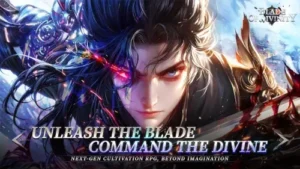
Blade of Divinity from Zero Heart HK plants its flag at the intersection of cyberpunk aesthetics and xianxia fantasy, inviting players to awaken as a streamer turned heir in a digital god realm. The immediate promise is clear through Blade of Divinity AFK progression and Blade of Divinity no grind system. But this premise leads directly to the critical question every potential player should ask: does this focus on convenience and style create a satisfying loop, or does it simply automate the experience into something passive?

Evaluating the Blade of Divinity gameplay experience means looking closely at where your active involvement matters and where the game happily runs without you.

First Contact: A Flashy Welcome to the Cyber Celestial Realm

Your introduction to this hybrid world is unabashedly visual. The game employs a stylized 3D approach that blends traditional fantasy architecture with neon lit, futuristic elements. Think elegant palaces glowing with holographic interfaces. This Blade of Divinity cyber fantasy visual style isn’t subtle, and it effectively sells the core fantasy of a mythic realm upgraded with digital tech. The sense of space is a key part of the appeal; the free flight mechanic isn’t just a fast travel option but a foundational way to engage with the world, emphasizing vertical exploration and a literal god’s eye view.

Your first meaningful decision comes swiftly: choosing one of the four innate classes. This choice is less about locking you into a rigid role and more about defining your initial combat identity and visual flair. It sets the tone for your personal power fantasy, whether that involves close quarters brilliance or tactical spellcasting from a distance. This decision is immediately validated by a notably generous welcome package. Launch gifts, including the premium SSS Skybreaker mount and the True Top Gamer title, are not trivial bonuses.

They provide a tangible power spike and social flair from minute one, effectively accelerating early progress and framing the game’s economy as potentially player friendly. This initial generosity is a deliberate hook, making the first login feel rewarding and lowering the typical early game friction.

Blade of Divinity Gameplay: 

The gameplay loop in Blade of Divinity is built on a spectrum between full automation and optional manual control. The combat system accommodates both manual/AFK battles. For most overworld encounters and routine tasks, you can let the AI take over, watching the choreography of “full-screen effects” play out with minimal input. This respects the AFK friendly promise, allowing progression during downtime. However, the system expects you to step in strategically.

Manual control becomes significant during specific Blade of Divinity boss raid encounters, like tackling the Mechanical Overlord, where positioning and skill timing can influence loot quality and success against the AI driven attack patterns.

This feeds into the core progression claim: a “no-grind” experience. Your character advances through several parallel channels. The AFK system generates resources and experience while you’re offline. Boss defeats yield direct gear upgrades. An overarching Cyber God inheritance narrative system provides milestone power boosts. The design intent is to remove the need for repetitive farming, instead gating progress behind daily boss attempts, event participation, and the passage of time. Whether this feels respectful or simply slow is a matter of perspective.

The unique selling point is the Blade of Divinity AI boss fights. The promise of AI algorithms for unique fights suggests bosses that may alter behavior or patterns, aiming to prevent battles from becoming completely predictable memorization tests. In practice, this likely translates to variable phase transitions and attack rotations, adding a layer of unpredictability compared to entirely scripted encounters.
Customization and the Early Social Sphere

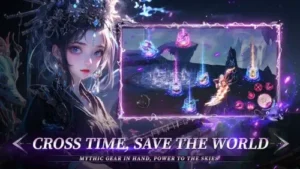
If combat can sometimes run on autopilot, personal expression is where active engagement is consistently rewarded. The game offers a deep wardrobe of cyber/magical/futuristic outfits, transformable wings/mounts/servants. This Blade of Divinity character customization is a major pillar. These items are rarely just cosmetic; wings and mounts increase movement speed, servants provide combat assists or buffs, and outfits often come with stat enhancements. Tinkering with this suite of options provides a tangible sense of growth and style that is always visually present.

The social framework is present but typical for the genre in its early stages. You can form or join factions, which are essential for tackling coordinated Blade of Divinity team dungeons and PvP modes. This creates the necessary infrastructure for community, but the depth of those interactions will depend entirely on the players you meet. For support or feedback, the developer has provided a support email (u1gamebod[at]iccgame.com). The Hong Kong based developer’s mention of a “global rollout” suggests plans to broaden the audience beyond initial release regions.

At the time of writing, Blade of Divinity is in early release with over 50,000 downloads. A consolidated star rating is still forming due to limited review volume. The app size is approximately 1.2GB. The content is generally suited for teenagers and older audiences due to fantasy violence and online interactions.

For players interested in a different take on the celestial RPG genre with a focus on strategic team building, Supreme Gods: Raid RPG offers a more tactical, card-based approach to deifying heroes.

Strategic Insights: Maximizing Your Ascent in Blade of Divinity

Success in this game is less about grinding and more about smart prioritization and understanding its systems. To build your power efficiently, a few early actions are absolutely critical. The moment you finish the tutorial, locate and claim the Blade of Divinity new character pack. This isn’t a minor bonus; it contains the SSS Skybreaker mount and a unique title that provide immediate advantages in mobility and prestige. Pair this with a strict habit of collecting your daily login rewards.

These consistent resource drips are the bedrock of the no-grind economy. Furthermore, don’t treat customization as a late game vanity project. Investing early in your first set of transformative wings or a powerful servant provides stat boosts that compound over time, making your Blade of Divinity early game progression significantly smoother.

Your most important resource is time, but not necessarily your active attention. The AFK reward system is designed to be leveraged, not ignored. Setting the game to farm overnight or during work hours is a legitimate and expected method to gather experience and materials. However, automation has its limits. For the major Blade of Divinity world boss encounters, manual intervention is key.

The AI can handle basic rotations, but during specific, high damage boss phases or when positioning is crucial for avoiding area of effect attacks, taking direct control can mean the difference between a wipe and securing top-tier loot. Think of the AFK system as your foundation and manual play as your strategic tool for peak rewards.

For long term play, your social strategy matters. While you can accomplish much solo, forming or joining an active faction early unlocks efficiency for dungeons and provides a community for trading Blade of Divinity tips and strategies. Don’t overlook the flight system as mere transportation. Use your aerial freedom to scout for hidden resource nodes, rare world events, or environmental puzzles that might be invisible from the ground. Balancing these elements, passive income, active boss management, and social coordination, is the real path to building your legend.

Blade of Divinity Similar Games

If the specific blend in Blade of Divinity sparks your interest but you want to explore alternatives, these titles focus on different aspects of the formula:

  • Destiny M: God Descends: Choose this for a more direct, combat centric focus on clashes between technological deities.

  • Heaven Domain: Rebirth: A better fit if your primary interest is in traditional Chinese mythology and cultivation, without the cyberpunk elements.

  • Tower of God: Opt for this if you are driven by a strong, character driven narrative within a sprawling multiverse.

  • Blip Blip Fengshen: The priority here is a deep, gacha style collection and upgrade system for a vast roster of mythic servants.

  • Eternal Night Demon Lord: This aligns with players who prefer a gothic, dark fantasy atmosphere paired with similar idle raiding mechanics.

Conclusion :

The game’s most compelling argument is its distinctive fusion of genres and its respectful approach to player time. The cyber xianxia aesthetic is fresh, and the upfront generosity with the Blade of Divinity launch gifts makes the initial hours feel rewarding rather than restrictive. For players tired of mandatory daily grinds, the AFK progression model is a legitimate attraction, not a compromise.

However, it operates in a context of unanswered questions. The limited early reviews and early stage tag are important caveats. The long term Blade of Divinity endgame content loop, the balance between free and paying players, and the depth of its social systems are all yet to be fully stress-tested by a large, global player base. Common genre concerns about paywalls emerging later or repetitive late game activities are reasonable points of caution until the game matures.

So, who is this for? The ideal Blade of Divinity player values aesthetic customization and a steady sense of progression over demanding, twitch based gameplay. They appreciate logging in to find their character stronger, enjoy tweaking a detailed digital avatar, and are comfortable with a model where a significant portion of advancement happens offscreen. If you want a hands-on, highly challenging action MMO, this isn’t it. But if you seek a stylish, low-pressure world to build a powerful character in your spare moments, its potential is undeniable.

FAQ

What is the main premise of Blade of Divinity?

The game frames itself as a next gen cultivation RPG set in a Cyber Celestial Realm. You awaken as a modern streamer who inherits the power of a Celestial Spirit, tasked with using futuristic tech and mythic gear to stop a demonic invasion. It’s a fusion of sci-fi aesthetics and classic xianxia fantasy.

How do I get started with the right Blade of Divinity download?

To ensure you have the official, updated version and avoid security risks, obtain the Blade of Divinity game exclusively through the Google Play Store. This is the safest method for the initial download and all subsequent patches.

What’s the best way to find active Blade of Divinity codes?

The most reliable source for valid redemption codes is the official Blade of Divinity website. Developers typically post new codes there during updates, maintenances, or special events. Community forums and the official social channels are good secondary sources.

Who develops the game, and how do I contact support?

Blade of Divinity is developed by Zero Heart HK. For technical support, bug reports, or account issues, you can contact their team directly at u1gamebod[at]iccgame.com. Player reports indicate they are responsive to feedback.

Exit mobile version