

The Way Home change bring something new to roguelikes games.
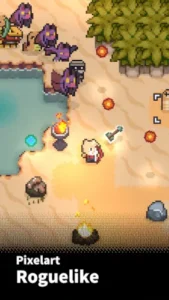

The Way Home does something different. You are Kevin. You have a friend named Cheese. You are stuck on a strange island. You want to go home. The dungeons are still dangerous. The monsters still want to hurt you. But there is warmth here. A sense of purpose beyond just surviving another run.
What is The Way Home: Pixel Roguelike?
You are looking at a charming pixel art roguelike about Kevin and Cheese trying to escape a strange island through procedural dungeons, monster battles, crafting, and party based exploration.
The Way Home follows Kevin and Cheese as they explore four islands, meet NPCs, fight monsters, and search for a way home. The story is simple but effective, and it gives the roguelike loop a clear purpose instead of making the game feel like endless random runs. It is designed as a single player roguelike with casual friendly pacing. The game emphasizes procedural maps, 80 unique monsters, 21 playable characters, and an actual ending, which is a nice mix of replayability and narrative closure.
On Google Play, The Way Home holds a 4.8 star rating from more than 129,000 reviews. The app size comes in at roughly 180 MB. The age rating is Everyone. The game is premium with no ads and no in app purchases.
A charming pixel art roguelike about escape, exploration, and party building
The genre matters here. The Way Home is not a fast paced action roguelike like Dead Cells. It is not a deckbuilder like Slay the Spire. It sits somewhere in the middle. You explore procedurally generated maps. You fight turn based battles. You gather resources. You return to camp and build structures. The loop is slower and more deliberate. The pixel art and soft lighting create a mood that feels more like a storybook than a dungeon crawler.
Who this game was built for
Not every mobile player will enjoy The Way Home. Here is who will.
Roguelike fans who want a lighter, story driven experience
Do you enjoy roguelike runs but wish the genre had more heart? The Way Home gives you procedural dungeons and permadeath, but also a clear goal and characters you care about. The stakes are lower. The tone is warmer. It is a roguelike you can play to relax.
Players who enjoy party based combat and character variety
You build a party of four characters from a pool of 21. Each character has unique skills. Some heal. Some deal damage. Some tank. Some support. Building the right party for your playstyle is half the game.
Casual gamers who like crafting and base building
Between runs, you return to camp. You craft tools. You build structures. You upgrade your base. The crafting layer gives purpose to the resources you gather in dungeons. It also provides permanent progression that carries between runs.
Anyone who appreciates warm pixel art and cozy atmospheres
The art direction is not edgy. It is not grimdark. It is warm. Soft lighting. Gentle colors. Character sprites that look like they belong in a picture book. If you are tired of dark, gritty roguelikes, The Way Home is a breath of fresh air.
The Way Home Main Features:
The game offers several systems. Here are the ones that matter most.
Procedurally generated maps for varied runs
Each dungeon run is different. Room layouts change. Enemy placements shift. Treasure locations vary. You cannot memorize a single path. The procedural generation keeps runs fresh.
80 unique monsters with different attack patterns
The monster roster is large. Each enemy has a behavior pattern. Some charge forward. Some shoot from range. Some summon adds. Learning patterns is more important than grinding stats.
15 plus skills to combine in battle
Skills are not one size fits all. Some skills deal area damage. Others apply status effects. Others heal or buff. Combining skills across your party creates synergy.
Party mode with 21 different characters
You collect characters as you progress. Each character has a class and role. Some are unlocked through story. Others are found in secret areas. Others are earned through achievements.
Four character party setup for tactical team building
You choose four characters for each run. No class restrictions. You can run four healers if you want. You will not kill anything fast. You can run four damage dealers. You will die quickly. Balance matters.
Resource gathering and construction systems
In dungeons, you gather wood, stone, metal, and other materials. Back at camp, you use those materials to build structures. A forge lets you upgrade weapons. A garden produces healing items. The construction layer is permanent.
Story progression across four islands
The game is not endless. You progress through four distinct islands. Each island has a theme, new monsters, and new characters. The story advances as you explore. There is an ending.
Offline single player play
No internet connection required. No live service. No daily login rewards. You play when you want, where you want.
Vertical screen mobile friendly layout
The game is designed for portrait mode. Your phone sits upright. One thumb controls movement. The other taps skills. The layout is comfortable for short sessions.
Endgame support through repeated runs and building upgrades
After finishing the story, you can keep playing. New game plus. Harder difficulty. Higher level buildings. The endgame is for players who want to optimize their party and fully upgrade their camp.
The Way Home Graphics and Design
Warm, classical pixel art with soft lighting
The game looks like a children’s book illustration. Not cartoonish. Not realistic. Somewhere in between. The lighting is soft. Colors are warm. The pixel art is detailed but not busy.
Cozy, mysterious, slightly adventurous atmosphere
The island feels like a place you want to explore. Not a place you want to escape. The music is gentle. The sound effects are soft. The mood is adventurous but not stressful.
Vertical screen design optimized for one handed play
The game fits in one hand. Your thumb reaches everything. The UI is compact but readable. The vertical orientation makes the game feel different from landscape roguelikes.
Where the design works well
The game is easy to pick up and put down. A run takes 10 to 20 minutes. The vertical layout works perfectly for short sessions on public transit or between tasks.
Where side visibility can feel limited in portrait mode
The vertical layout has a trade off. You see less of the dungeon to the left and right. Enemies can approach from off screen. The limited side visibility requires more careful positioning.
What players say about The Way Home game
The parts people enjoy
Positive reviews often mention the charm. The art style is praised. The story gives purpose to the runs. Character variety is called strong. The crafting system adds depth.
The parts people complain about
No roguelike escapes criticism. Here is what comes up most often.
Controller quirks on some devices
The game supports controllers. Some players report input lag or missed inputs. The touch controls work better than controller support.
Limited customization options
You cannot change character appearance. You cannot rename characters. The customization is limited to party composition and skill choices.
Some repetition over time
The procedural generation helps. But after many runs, the dungeon tiles and enemy types start to feel familiar. The game has an ending, which helps, but the endgame can feel repetitive.
Side visibility issues in portrait mode
The vertical screen limits horizontal vision. Enemies can attack from off screen. The limited visibility can feel unfair in later dungeons.
The Way Home Game Mechanics
Procedural dungeon exploration as the core loop
Enter a dungeon. Explore room by room. Fight monsters. Open chests. Find the exit. Repeat. Each run is different.
Turn based or tactical battle structure
Battles are turn based. You act. Enemies act. You choose skills. Enemies choose targets. Positioning matters. Some skills hit adjacent enemies. Others hit all enemies in a line.
Four character party from 21 available characters
You start with Kevin and Cheese. You unlock more characters by exploring islands and completing quests. Each character has unique stats and skill trees.
Each character has unique skills and roles
Kevin is balanced. Cheese is fast but fragile. Other characters fill traditional RPG roles. Tank. Healer. Mage. Archer. Support. Assassin.
Gather resources in dungeons for crafting
Every run gives you materials. Wood, stone, ore, herbs. You keep materials even if you die. The resource gathering is permanent.
Build structures to escape more efficiently
Back at camp, you spend materials on buildings. A workshop crafts better weapons. An alchemy table brews potions. A farm grows healing food. Buildings make future runs easier.
Progress across four islands with story beats
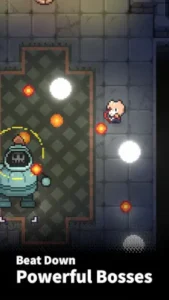
Each island has a boss. Defeat the boss to unlock the next island. The story advances between islands. New NPCs appear. New quests unlock. The game has a beginning, middle, and end.
Looking for another pixel art roguelike with a warm atmosphere and party building? Check out Moonlighter, a game about running a shop by day and raiding dungeons by night.
The Way Home Tips that actually help
You can start The Way Home game and finish your first dungeon in minutes. Getting through all four islands without wasting resources or building the wrong party takes a little planning. These tips separate players who escape the island from players who get stuck on the second world.
Build a balanced four character party, not all offense
Here is a question. Why do some players clear hard dungeons while others die on easy floors? Party balance.
The Way Home tips from experienced players all say the same thing. Bring one tank, one healer, and two damage dealers. A tank absorbs hits. A healer keeps everyone alive. Damage dealers kill monsters. A party of four damage dealers kills quickly but dies even quicker. A party of four tanks survives but takes forever. Balance is the key to consistent clears.
Learn monster patterns; observation beats rushing
Monsters have behaviors. Some charge in a straight line. Others shoot projectiles. Others summon adds.
Watch before you attack. A charging monster moves every turn. Step out of its path. A shooting monster targets the back row. Move your squishy characters. A summoner monster creates adds. Kill it first. Observing patterns takes a few seconds. Ignoring patterns leads to unnecessary deaths.
Gather resources regularly; crafting helps long term progress
The Way Home game lets you keep resources even when you die. Wood. Stone. Ore. Herbs.
Gather everything. Every run, even failed runs, adds materials to your camp stockpile. You need those materials to build structures. Structures make future runs easier. A forge upgrades weapons. A garden grows healing items. A workshop crafts better armor. Players who skip gathering progress slower. Players who gather everything progress faster.
Save key resources for important buildings and upgrades
Some buildings are more valuable than others. Spend resources wisely.
Prioritize the workshop first. It unlocks crafting recipes. Then the forge. It upgrades weapon damage. Then the garden. It provides passive healing items. Save rare resources like ore and gems for these key buildings. Do not waste them on cosmetic upgrades or low priority structures.
Try different character combinations for skill synergy
The Way Home characters are not interchangeable. Some work well together. Others have anti synergy.
A healer who restores health over time works well with a tank who takes damage every turn. A damage dealer who applies poison works well with another damage dealer who deals bonus damage to poisoned enemies. Experiment. Find combinations that amplify each other. A team with synergy clears harder content than a team of individually strong characters who do not support each other.
Vertical layout works best in short sessions
The Way Home game is designed for portrait mode. One hand. Short sessions.
Play one or two runs per sitting. A run takes 10 to 20 minutes. Longer sessions can lead to fatigue. The vertical screen limits side visibility. Fatigue makes you miss off screen enemies. Short sessions keep you alert. Put the game down. Come back later. Fresh eyes see patterns that tired eyes miss.
Focus on surviving the run first, damage later
New players chase damage. Big numbers. High crits. Fast kills.
Surviving is more important. A dead character deals no damage. Prioritize defensive skills early. Healing skills. Damage reduction skills. Crowd control. Once you can survive consistently, then add damage. A balanced character who lives through the boss fight is better than a glass cannon who dies on floor three.
Explore NPC interactions; story ties to island progression
The Way Home game has NPCs. They give quests. They offer advice. They unlock new areas.
Talk to everyone. Exhaust dialogue options. NPCs often give hints about monster patterns, hidden treasure locations, or character unlock conditions. The story also progresses through NPC interactions. Ignoring NPCs means missing context and missing rewards.
Games similar to The Way Home
If you like The Way Home, here are five other games worth your time. Each offers something similar with a different twist.
Soul Knight
Soul Knight is a fast paced action roguelike. Procedural dungeons. Lots of weapons. Multiplayer co op. The Way Home similar games should start here. The difference is that Soul Knight is real time action, not turn based. Good for players who want faster combat and co op.
Otherworld Legends
Otherworld Legends is a pixel art action roguelike. Multiple characters. Skill combinations. Boss fights. The difference is that Otherworld Legends focuses on melee combat and has a darker tone. Good for players who want the pixel art aesthetic with more action.
Dead Cells
Dead Cells is a critically acclaimed action roguelike. Procedural levels. Fluid combat. Permanent upgrades. The difference is that Dead Cells is faster, harder, and available on multiple platforms. Good for players who want a challenge and do not mind permadeath.
Moonlighter
Moonlighter combines dungeon crawling with shop management. Raid dungeons at night. Sell loot in your shop during the day. The difference is that Moonlighter has a stronger economy loop and less party building. Good for players who enjoy the crafting and resource management side of The Way Home.
Dungeon of the Endless
Dungeon of the Endless blends roguelike dungeon crawling with tower defense. You explore rooms. You build defenses. You protect a crystal. The difference is that Dungeon of the Endless is more strategic and less character focused. Good for players who want deeper base building mechanics.
The Way Home Community
The Way Home is a single player game. The community lives outside the app.
Primarily single player with no in game social systems
No clans. No chat. No co op. No PvP. You play alone. The game is designed for solitary sessions.
Community lives through tips, guide sites, and discussions
The Way Home game has an active presence on Reddit and gaming forums. Players share builds. They post boss strategies. They discuss character rankings. The community is small but helpful.
Players share builds, crafting advice, and boss strategies
What is the best party composition for Island Three? Which buildings should you upgrade first? How do you unlock the secret character? The community answers these questions. Guide sites and YouTube videos also provide walkthroughs.
Strong fandom among mobile roguelike players
The game has a dedicated fan base. Players recommend it to others who want a roguelike with heart. The warm art style and Kevin and Cheese story make it easy to talk about.
Conclusion
The Way Home works for three types of people. First, roguelike fans who want a lighter, story driven experience instead of endless grimdark runs. Second, players who enjoy party based combat and building synergistic teams. Third, casual gamers who like crafting and base building as permanent progression between runs.
Controller quirks on some devices. Limited customization options. Some repetition over time. Side visibility issues in portrait mode. Not as deep as other roguelikes.
None of these are deal breakers for a premium mobile roguelike. But they are honest warnings.
Do you want a cozy, warm roguelike with a story and characters you can care about? Or do you prefer hardcore, unforgiving roguelikes that prioritize challenge over charm?
If the first one, The Way Home offers a unique blend of roguelike mechanics and heartfelt storytelling. If the second one, look at Dead Cells or Otherworld Legends instead. Both answers are fine. Just know what you want.
Frequently asked questions about The Way Home
How do I get The Way Home download on my phone?
Go to the Google Play Store if you use Android. Search for The Way Home Pixel Roguelike. The developer is conCODE. Tap install or Download The Way Home from the Official Google Play Store, you can also play on your pc with Google Play Games on PC.
Is The Way Home free, or do I need to pay?
The game is premium. You pay once and get the full experience. No ads. No in app purchases. No subscription. You unlock everything by playing, not by paying. The price is low compared to other premium roguelikes. You can try the first few levels for free on some platforms, but the full game requires purchase.
Where can I find the official website?
The official website has news, patch notes, and developer updates: Official The Way Home Website.
I have a problem with the game. Who do I contact?
Send an email to the developer support team. They handle bug reports, technical issues, and feature requests. Here is the address: dev[at]concode.co. For The Way Home download problems or installation issues, that same email applies. Include your device model, game version, and a description of the problem.
How long does it take to finish The Way Home?
Most players finish the main story in 10 to 15 hours. That includes exploring all four islands, defeating all bosses, and reaching the ending. Completionists who want to unlock all 21 characters, fully upgrade all buildings, and beat new game plus will spend 25 to 30 hours. The game has an ending, so you are not grinding forever. Each run takes 10 to 20 minutes, making it easy to play in short sessions.