Does Huntopia deliver a meaningful pet taming adventure, or is it a passive simulation that plays itself, leaving you as a manager rather than a hunter?
Huntopia game holds a 4.7 star rating from a substantial number of downloads, indicating initial interest but also reflecting mixed experiences. It is suitable for a teen audience and requires approximately 1.2 GB of storage. For players seeking a more traditional, active MMORPG experience with pet companions, Ragnarok M: Classic offers a well established alternative in the genre.
The Promise of a Tribal Adventure
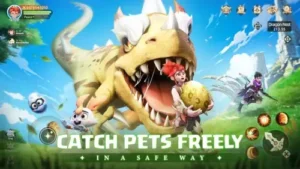
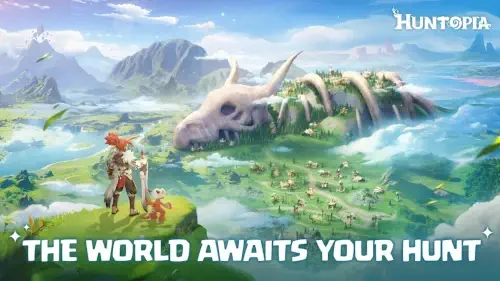
The initial pitch is undeniably attractive. The world of Parmons, with its vibrant rainforests and dragonbone deserts rendered in a stylized anime aesthetic, sets the stage for an epic. The core loop revolves around encountering wild creatures across this world, taming them, and nurturing their evolution into new, more powerful forms, a mechanic with deep potential for collectors and strategists.
Layered on top is the social promise of the “Howling Dragon Tribe” and similar groups, suggesting a community focused endgame of rallying allies to battle world bosses like the evil dragon Niro. On paper, it’s a compelling blend of exploration, collection, and social strategy.
When the Game Plays Itself
This promising framework, however, collides head-on with the game’s defining and most criticized feature: pervasive automation. Almost immediately, players encounter what reviewers call “forced auto pathfinding” and auto combat. Your character will automatically run to quest objectives, engage enemies, and use skills with minimal input from you. This isn’t an optional convenience for grinding; it’s the default and often mandatory state of play.
The result is a profound reduction in player agency. Instead of exploring the vibrant landscapes, you watch your character navigate them along a predetermined path. Instead of tactically engaging in combat, you observe the outcome of automated skirmishes. This creates a “stream like” experience where you feel more like a director approving pre-recorded segments than an active participant in a living world. This design choice fundamentally clashes with the advertised fantasy of a hands-on tribal adventure and is the source of most player frustration.
What’s Left When You Look Past the Auto
If you accept or adapt to the automated foundation, what does Huntopia actually offer?
The Pet System remains the central pillar. The act of finding, taming, and evolving creatures holds inherent appeal for a specific player. The strategic potential of building a team of evolved pets for different challenges is the game’s strongest theoretical hook, though its depth is sometimes masked by the automated combat that utilizes them.
The Social & Tribes system attempts to inject meaning. Cooperative boss battles with your tribe are a highlight, requiring some coordination that breaks the monotony of solo auto play. However, the automated baseline can make even these group activities feel less interactive than they could be. Furthermore, community notes about low server activity and a desire for merges suggest that finding a vibrant, active tribe might be a challenge, impacting this key feature.
Regarding Monetization & Longevity, player suspicions about pay to win elements and criticisms of an “ad-heavy” interface are common. The game’s long-term health is directly tied to the developer’s ability to manage server populations, balance the economy, and perhaps most importantly, address the core feedback about automation to retain players seeking more than a passive background application.