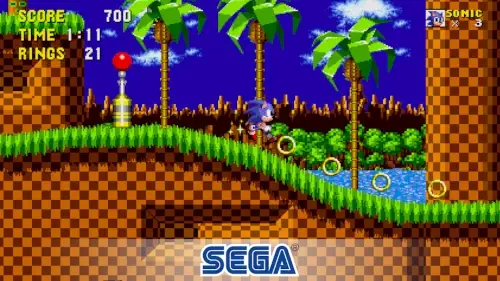
Sonic the Hedgehog Classic serving as a direct bridge between 1991 and today’s mobile gaming landscape.
Sonic the Hedgehog is not a reimagining but a careful preservation, offering a near flawless digital museum piece of the game that defined a generation. With a Google Play rating of 4.1 stars from over 1 million reviews and a compact file size under 100MB, it demonstrates that core gameplay transcends technological eras. Geared toward a wide age range, from nostalgic adults to curious new players, the game poses a simple challenge: can you master the loops and defeat Dr. Eggman with just a touchscreen?
Sonic the Hedgehog Foundation: Gameplay and Controls
The success of any classic port hinges on its ability to replicate the original feel, and this is where Sonic the Hedgehog makes its strongest case. The physics of Sonic’s movement, the building momentum as he rolls down a slope, the sudden stop when he hits an obstacle, the spring of a well-timed jump, are perfectly preserved. This attention to the original’s kinetic energy is what separates a faithful adaptation from a mere imitation.
The control scheme is necessarily adapted for touchscreens, with virtual buttons for movement and jumping. While purists might initially balk, the implementation is responsive and quickly becomes intuitive. For those seeking a more traditional feel, the game offers full support for external controllers, which many players find enhances precision in later, more demanding zones like Marble Zone or Labyrinth Zone.
The iconic ring system remains unchanged, acting as both a health buffer and a score metric. Losing all your rings after a hit creates a tense risk reward dynamic as you decide whether to scramble to recollect them or press forward. This foundational Sonic the Hedgehog Classic gameplay loop remains as engaging now as it was three decades ago.
Sonic the Hedgehog Character Roster: Sonic, Tails, and Knuckles
A significant enhancement over the original 1991 release is the inclusion of Tails and Knuckles as playable characters from the start. This is not a simple cosmetic change; it fundamentally alters how players interact with the levels. Sonic himself is the baseline, all about raw speed and the versatile spin dash.
Tails, with his ability to fly for short periods, completely reconfigures level navigation. He can bypass entire sections of platforming challenges, reach hidden areas with ease, and recover from missed jumps that would be fatal for Sonic. Knuckles, with his gliding and wall climbing skills, offers another distinct approach. He can scale vertical surfaces to find alternate paths and glide across large gaps. This trio transforms a linear platformer into a more exploratory experience, encouraging multiple playthroughs to see everything each character can access. Understanding these differences is key to any Sonic the Hedgehog character strategy.
The Sonic the Hedgehog Zones: Level Design and Progression
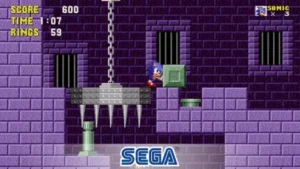
The game’s seven zones are a masterclass in 2D platforming pacing. It begins with the gentle slopes and wide open spaces of Green Hill Zone, a perfect tutorial environment that teaches you the joy of Sonic’s speed. The progression is deliberate, introducing complexity gradually. You move from the platform heavy Marble Zone to the underwater peril of Labyrinth Zone, each area testing a different skill set.
The level design encourages not just speed, but exploration. Secret areas containing power ups, extra lives, and pathways to the special stages for Chaos Emeralds are tucked away in seemingly inaccessible places. This design philosophy rewards curiosity and repeat play, as learning the layout of a zone like Spring Yard or Scrap Brain is part of the mastery process. The environmental hazards and clever enemy placement ensure that the game is never just about holding right; it’s about reacting, planning, and sometimes memorizing.
Sonic the Hedgehog Modern Features: Time Attack and Technical Polish
SEGA has added thoughtful modern features that extend the game’s life far beyond a single playthrough. The most significant is Time Attack mode, which strips away the focus on lives and score to concentrate purely on speed. This mode has become a hub for the Sonic the Hedgehog speedrun community, allowing players to learn the most efficient routes through each zone and compete for the fastest times on global leaderboards.
The technical presentation is also carefully considered. The game runs at a smooth 60 frames per second, and the widescreen support ensures the view isn’t cramped, giving you more reaction time for incoming obstacles. The pixel art is sharp and clean on high resolution displays, and the remastered soundtrack allows the iconic melodies to shine with a clarity that wasn’t possible on the original hardware. These elements combine to create a package that feels both authentically retro and comfortably modern.
If the appeal of a polished classic resonates with you, the precise platforming and vibrant world of Rayman Classic offer a similarly well executed revival of a different era’s iconic game.
Sonic the Hedgehog Player Experience
How does a game maintain relevance across three decades? Sonic the Hedgehog Classic demonstrates that timeless level design and precise mechanics can transcend generations. For players who remember the original 1991 release, this mobile version delivers a potent dose of nostalgia, faithfully recreating every loop and enemy placement. For newcomers, it serves as an accessible introduction to foundational platforming principles that still feel responsive and challenging today. The game’s endurance stems from its purity, it’s a direct translation of a classic, without modern compromises that might dilute its identity.
This preservation does encounter some friction on modern hardware. The virtual control pad, while serviceable, can feel less precise than the original Sega Genesis controller during sections requiring pixel perfect jumps. The free to play model introduces optional ad views between lives, which some players find disrupts the game’s momentum.
However, the inclusion of global Time Attack leaderboards successfully extends the game’s lifespan. This feature directly engages the competitive Sonic the Hedgehog games community, giving skilled players a platform to showcase their mastery and compare times, transforming a solo experience into a shared challenge.
Sonic the Hedgehog Tips for Better Play
How can you improve your performance in this classic title? Success requires more than just speed; it demands strategy and knowledge.
First, if you find the touch controls limiting, the game fully supports external controllers, which many find essential for later, more precision based zones. Second, master the spin dash. This move isn’t just for building speed; it can break certain walls and defeat enemies without losing your ring collection. When exploring the full Sonic the Hedgehog cast, remember that Tails’ flight ability makes him excellent for beginners, allowing recovery from missed jumps, while Knuckles’ climbing can completely bypass certain challenges.
A core objective in any Sonic the Hedgehog game is collecting the Chaos Emeralds. To access the special stages, you must pass a checkpoint with at least 50 rings. This encourages a careful balance between aggressive speed and strategic ring collection. It’s worth noting that there are no active Sonic the Hedgehog codes for this specific classic title; progression is unlocked purely through gameplay.
While characters like Sonic the Hedgehog Amy and elements like the Sonic the Hedgehog hat or memorable Sonic the Hedgehog quotes are from later entries in the franchise, this original game focuses on the core trio of Sonic, Tails, and Knuckles facing off against the original Sonic the Hedgehog Eggman robots.
Conclusion :
So, what is the ultimate assessment of this mobile adaptation? Sonic the Hedgehog Classic stands as a successful preservation project. Its primary achievement is maintaining the original’s iconic feel and challenge while incorporating thoughtful modern features like Time Attack mode and controller support. It proves that exceptional game design remains compelling regardless of its age.
This game is an ideal match for two key audiences: those seeking an authentic replay of a childhood favorite, and new players curious about the origins of iconic Sonic the Hedgehog characters. It sets a high standard for how to bring a classic to mobile without compromising its core identity.
For those considering Sonic the Hedgehog alternative games, the direct sequel, Sonic the Hedgehog 2 Classic, is the most logical next step, offering more zones and refined mechanics. Your choice ultimately depends on whether you want to experience the series’ humble beginnings or jump to its more polished successor. Both represent the peak of 2D platforming from that era, delivered with care to modern devices.
Frequently Asked Questions
Where is the official source to get the game on my Android device?
The direct source for a Sonic the Hedgehog download is the Google Play Store. This ensures you receive the authentic version with all current updates directly from SEGA.
Is there a central hub for official news and updates?
Yes, the game maintains an official website. You can visit the Sonic the Hedgehog official website for the latest announcements, patch notes, and official media.
I’m having a technical issue with the game. Who should I contact?
For support with gameplay bugs, purchase problems, or account issues, the most effective approach is to contact the developer directly at help[at]segaamerica.com.
Where can I find detailed information about characters and level strategies?
The community driven Sonic the Hedgehog wiki serves as an extensive database. It’s an excellent resource for learning character abilities, zone layouts, and hidden secrets.
What do the score, time, and ring counters mean during gameplay?
The on screen display tracks your performance. The score is your point total, the timer shows your level completion speed, and the ring count acts as both your health and a key to accessing special stages.