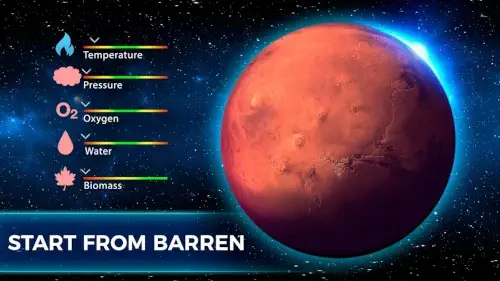
TerraGenesis begins with a silent, barren landscape.
You survey a world of rock and ice, its atmospheric readings showing a toxic cocktail of gases, its temperature hostile to any known life. The task is monumental: to make this void breathe. TerraGenesis is not a game of rapid conquest, but one of deliberate, scientific orchestration. Here, success is measured in carefully balanced atmospheric pressure and stable ecosystems, where patience and a understanding of planetary systems consistently outweigh the urge for speedy expansion.
The Foundation of Life: Principles of Terraforming
The core of the TerraGenesis planet terraforming simulator is a lesson in interconnected systems. You are not simply spending resources to unlock upgrades; you are conducting a complex, planetary-scale experiment. Adjusting the oxygen levels affects the temperature. Modifying the atmospheric pressure influences the water coverage. Introducing too much heat too quickly can melt ice caps and flood your nascent settlements.
This is a delicate balancing act grounded in real scientific principles. The game challenges you to think like a planetary scientist, not just a resource manager. How do you raise the temperature of a frigid world without triggering a runaway greenhouse effect? The TerraGenesis civilization building process is entirely dependent on first solving this fundamental environmental puzzle. But what is a perfectly habitable world without someone to live in it?
The Human Element: Civilization and Consequences
Once a world can support life, you introduce its most volatile element: humanity. Building cities and infrastructure is the next logical step, but it introduces a new layer of complexity. Your population and their industrial activities begin to exert their own pressure on the environment you just stabilized.
Factories can pollute the atmosphere you carefully purified. A booming population consumes resources and can alter the planetary balance. This creates a compelling feedback loop where you must constantly manage the relationship between growth and ecological health. Can your civilization thrive without rendering its own world uninhabitable? This ongoing negotiation between progress and preservation is a central, engaging tension. As your first world finds its equilibrium, the scope of your project inevitably expands.
The Galactic Canvas: Exploration and Alien Life
With the basics mastered, TerraGenesis space exploration opens up a galaxy of possibilities. The game offers a vast roster of worlds, from nearby planets like Mars and Venus to distant exoplanets, each with its own unique set of environmental challenges and starting conditions. Terraforming a frozen moon requires a different strategy than healing a scorching Venus-like world.
This exploration is punctuated by alien encounters. These narrative events present you with choices that test your priorities as a galactic steward. Do you approach a newly discovered life form with diplomacy, or do you see it as a threat to be eliminated? These decisions add a layer of narrative weight to your scientific endeavors, reminding you that you are not just shaping climates, but also determining the fate of species.
The Architect’s Tools: Presentation and Progression
Managing these complex systems is facilitated by a clean, data rich user interface. The game presents a wealth of statistical information clearly, allowing you to monitor your planet’s vital signs at a glance. The stylized 3D visuals effectively convey the transformation of a world from a desolate rock to a vibrant, living planet.
A particularly thoughtful feature is the TerraGenesis offline progression system. Your planets continue to develop in real-time even when you are not logged in. This design choice respects the player’s time and perfectly complements the game’s slow-burn, methodical nature. It allows you to make strategic adjustments and then step away, letting the simulation run its course, which makes returning to check on your worlds a consistent pleasure.
The Community Consensus: Strengths and Considerations
The TerraGenesis game experience, as reflected in player feedback, presents a clear and consistent profile. The game is widely praised for its unique educational value, the satisfying depth of its planetary management systems, and its ability to be both a relaxing and deeply engaging experience. Players frequently highlight the sense of accomplishment in transforming a dead world into a thriving biosphere.
This positive consensus exists alongside specific points of discussion. The game’s model for removing optional advertisements through a purchase is a noted consideration for some players. Additionally, while generally stable, some users report encountering occasional technical bugs that can interrupt the flow of the simulation. When evaluating TerraGenesis alternative games, this balance is the key differentiator:
it offers a distinctive, science driven simulation that is both accessible and deep, while its monetization and occasional technical hiccups are part of the overall package. So, given this specific combination of high minded goals and practical considerations, who is the ideal candidate for this monumental task?
The Ideal Architect: A Profile in Patience and Curiosity
TerraGenesis is not designed for the impulsive player. It is built specifically for the methodical thinker, the individual who finds genuine satisfaction in complex problem-solving and long-term projects. This is a game for those who are curious about scientific concepts and enjoy the process of careful planning, observation, and adjustment.
If your primary interest is immediate action, rapid reward cycles, or competitive multiplayer, your credits are better spent elsewhere. However, if you are looking for a thoughtful mobile title where you can exercise your strategic mind over multiple sessions, watching your decisions slowly paint life onto a planetary canvas, then TerraGenesis is engineered to provide a deeply rewarding experience. The most effective TerraGenesis tips often reinforce this mindset, emphasizing careful monitoring of statistics and strategic patience over quick fixes.
Conclusion :
For new planetary governors, the most important initial step is to complete the tutorial worlds. They provide an essential, hands on understanding of the game’s core mechanics. Diving into the community on platforms like Reddit can also provide valuable TerraGenesis tips and strategies from experienced players. It is also worth noting that while the game does not commonly feature traditional promo codes, any active TerraGenesis codes are typically announced through the developer’s official social media channels during special events or updates.
Frequently Asked Questions
What is the main goal in TerraGenesis?
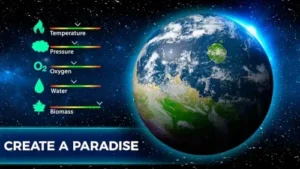
The core objective is to transform barren, uninhabitable planets into thriving worlds. You manage key planetary stats like temperature, pressure, oxygen, and water to create a stable environment, build a civilization, and ultimately create a paradise from a lifeless rock.
Where is the best place to install the game?
You can find the official TerraGenesis download on the Google Play Store for Android and the iOS App Store for Apple devices..
Is there a good resource for understanding the planetary stats?
Yes, the TerraGenesis wiki is an excellent community resource. It offers detailed explanations of how the different stats like temperature and biomass interact, along with strategies for managing them effectively on various planets.
Who should I contact for technical support?
For any technical issues or account support, please contact the publisher directly. The support team for Tilting Point can be reached at support[at]terragenesisgame.com.
What is a good strategy for a new player?
Start with the tutorial planets to understand how the stats interconnect. Focus on balancing temperature and pressure first, as they heavily influence other systems. Also, check the official community on Reddit for advanced TerraGenesis tips from experienced players.