Call of Duty: Mobile it’s a mature, self sustaining phenomenon in the mobile gaming landscape.

Call of Duty: Mobile has cultivated its own dedicated player base, a structured esports scene, and a content pipeline that rivals its bigger siblings.
Call of Duty: Mobile – From Classic Maps to Extraction Chaos
At its heart, Call of Duty: Mobile is built on a tripod of distinct experiences, each catering to a different style of play. Understanding this structure is key to knowing what you’re getting into.
The first leg is Multiplayer. This is the classic Call of Duty heartbeat translated faithfully. It’s your gateway to 5v5 matches on meticulously remastered maps like Nuketown, Shipment, and Raid. Modes such as Team Deathmatch, Domination, and Search & Destroy provide the immediate, session based action the franchise is known for. This is where you learn the fundamentals of movement, aim, and loadout synergy.
The presence of a separate Ranked playlist means you can test those skills in a more structured, competitive environment, climbing tiers for exclusive rewards. For many, this is the definitive Call of Duty: Mobile multiplayer experience.
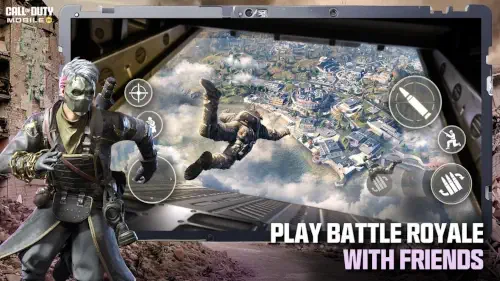
The second leg scales things up dramatically: Battle Royale. Here, you’re dropped onto the large scale map of Isolated with up to 100 players, either solo or in squads. The pace shifts from frantic to strategic, emphasizing survival, loot management, and positioning. The map isn’t static; dynamic events and the integration of mechanics like Buy Stations (where you can purchase custom loadouts and gear) keep each match unpredictable.
This mode answers the question of what a large scale, last team standing Call of Duty battle royale feels like on mobile, and it’s a compelling alternative to genre leaders.
The third and most recent leg introduces a different kind of tension: DMZ: Recon. Added as a major new mode, this is a PvPvE (Player vs. Player vs. Environment) extraction experience. You enter a hostile zone with a specific objective, loot valuable items, complete Contracts, and face off against both AI enemies and other player squads. The critical twist? You must successfully extract via a helicopter to keep all the gear you’ve collected. Failure means losing it.
This creates a high stakes, risk versus reward loop that feels entirely distinct from the other modes, offering a more deliberate, objective focused style of play for those seeking it.
How Monthly Seasons and Crossovers Keep the Game Alive
A game with solid modes can be good. A game that constantly reinvents and refreshes those modes becomes a service, a destination players return to. This is the live service engine that fuels Call of Duty: Mobile, and it operates on a predictable yet exciting monthly rhythm.
The primary driver is the Seasonal model. Roughly every month, a new Season launches, acting as a thematic content drop that reshapes the game’s landscape. For instance, Season 10: Vault AU79 introduced a gold rush theme, while Season 11 celebrated the game’s 6th Anniversary with classic throwbacks. Each Season brings a themed Battle Pass packed with dozens of rewards, new Operators, weapon blueprints, calling cards, and currency, for both free and premium players. It also typically includes new maps, limited-time modes, and balance adjustments, ensuring the meta never grows stale.
This consistent drumbeat of content is why checking for the latest Call of Duty: Mobile season update is a ritual for its players.
Beyond the seasonal structure, the game stays culturally relevant through high profile collaborations and themed events. A prime 2025 example is the Street Fighter crossover, which introduced unique character Operators and even special finishing moves inspired by the fighting game series. The return of “The Club,” a social hub where players can hang out between matches, shows a focus on community space. Past collaborations with franchises like NieR:Automata demonstrate a willingness to blend aesthetics in surprising ways. These events provide novelty and give players concrete, time limited goals to pursue.
Supporting all this is an incredibly deep system for Call of Duty: Mobile customization and loadouts. The Gunsmith system allows for granular weapon modification, affecting everything from recoil control to aim down sights speed. The cosmetic ecosystem is vast, spanning hundreds of Operators, thousands of weapon blueprints with unique visual effects, and the ultra-rare Mythic tier items. These are earned through persistent play in the Battle Pass, dedicated seasonal events, or through specific in game draws.
This pursuit of the perfect loadout and the coolest cosmetic look provides a powerful, long term progression hook that exists alongside the core gameplay.
Call of Duty: Mobile Clans and Championships
The experience of playing Call of Duty: Mobile extends far beyond the immediate match. It exists within a layered ecosystem of social ties, competitive ambition, and the ever-present reality of its free to play model. How you engage with these layers will shape your long term relationship with the game.
The foundation for many is the social structure. Joining a Clan is about more than a tag next to your name. It unlocks Clan Wars, a periodic team-based event where your collective performance in matches earns points towards exclusive rewards. It fosters the kind of coordination and camaraderie that transforms a group of players into a squad. For those looking to climb higher, the game provides a formal, global stage: the annual Call of Duty: Mobile World Championship.
This structured esports circuit begins with open qualifiers available to all players, progressing through regional stages to a world finals. It legitimizes the game’s competitive scene, establishes defined rulesets and map pools for pro play, and offers a tangible goal for the most skilled participants. Following the Call of Duty: Mobile league season becomes a spectator sport in its own right, showcasing the pinnacle of mobile strategy and skill.

A core point of discussion, and sometimes friction, is the game’s economy. It operates on a “free to play, not free to have everything” model with notable generosity on one side and premium luxury on the other. The free offering is substantial: there are no video ads, the core Battle Pass always has a track of free rewards, and seasonal events regularly give away weapon blueprints, characters, and other items without cost. This allows a dedicated player to build a respectable arsenal and a roster of Call of Duty characters purely through gameplay.
However, the highest tier cosmetics, the intricately animated Mythic weapon blueprints and legendary operator skins, are typically locked behind monetized systems like Lucky Draws or Mythic Draws. These are essentially digital lotteries for the most prestigious items. The critique here isn’t about pay to win advantages (core stats are rarely affected), but about pay to flaunt. The menus housing these systems can feel overwhelming, a common piece of feedback from players who feel the interface prioritizes storefronts over simplicity.
Accessibility remains a key strength. The game supports various control schemes, with native controller compatibility being a major draw for players transitioning from console. Third party hardware like the Backbone is often cited as the optimal way to play for precision. Its technical requirements are deliberately modest, designed to run on devices with as little as 2GB of RAM, ensuring a broad potential player base can at least run the Call of Duty: Mobile game. When issues arise, support is channeled through Activision’s official channels, though community driven forums and content creators often provide the most immediate Call of Duty: Mobile tips for troubleshooting and improvement.
Where Call of Duty: Mobile Stands Today
For the player driven by competition and rank, the value proposition is clear. The ranked multiplayer mode is a polished, constantly tuned ladder. The existence of a defined World Championship pathway turns skilled play into something with a recognized goal beyond the in-game tier icon. The regular introduction of new maps and weapons, followed by balance passes, means the competitive meta is a living thing that requires continuous adaptation and learning.
For the casual or collection oriented player, the appeal lies in the constant stream of objectives. There is always a new themed event to participate in, a new seasonal Battle Pass with 50-100 tiers of rewards to progress through, or a limited time mode to try. The sheer volume of cosmetic items, from nostalgic operators to wildly creative weapon designs, provides a long term collection hunt. You can engage deeply with this loop for months without spending money, treating it as a live-service hobby with a satisfying pace of unlocks.
The bottom line is this: Call of Duty: Mobile delivers on its original, ambitious promise with a consistency that is rare in mobile gaming. It provides a complete, high-fidelity AAA shooter experience, encompassing three fundamentally different game modes, completely free of charge. This is supported by one of the most aggressive and creative live service content models on the platform.
The compromises come in the form of a monetization strategy focused on high end cosmetics that can feel predatory to some, and an interface that can bombard you with offers. Yet, its core strength is undeniable. It doesn’t just mimic the feel of bigger Call of Duty games; it has carved out its own essential space, proving that a mobile shooter can be both massively accessible and respectably deep. Whether you’re logging in for a few quick matches or grinding for a championship qualifier, it offers an experience that has, for years, justified its position at the top.
FAQ:
Where is the official Call of Duty: Mobile download available?
The Call of Duty: Mobile game is free to install via its official listing on the Google Play Store. This is the safest and most direct method to get the latest version, ensuring you receive all updates and security patches from Activision.
Is there a central website or wiki for guides and news?
For official news, developer blogs, and patch notes, the best resource is the Call of Duty: Mobile website. For community driven strategies, detailed weapon stats, and map guides, the Call of Duty: Mobile Wiki is a comprehensive, player maintained resource.
How do I report a bug or contact support directly?
For account issues, technical bugs, or to report player conduct, you should use the official support channels managed by Activision. You can submit a ticket through the Activision Support website. For in-game feedback, you can also use the feedback option in the game’s settings menu or send an email to developer at CoDMobile[at]activision.com.
I see mentions of controller support. Does it work with any Bluetooth controller?
Call of Duty: Mobile has native support for many common Bluetooth controllers, including PlayStation DualShock and Xbox Wireless controllers. For the most streamlined, phone-integrated experience, dedicated mobile controllers like the Backbone One are often recommended by the community for their low latency and ergonomic design.
Can I play with friends on different platforms?
Yes, Call of Duty: Mobile features full cross-play between Android and iOS devices. You can easily form a squad with friends regardless of their mobile platform by using your Activision ID or in-game username to send friend requests and party up.