Canva Design Platform – Creating Graphics and Visual Content

Canva emerged as a direct response of the need to create visually compelling content, from small business owners crafting social media posts to students preparing presentations

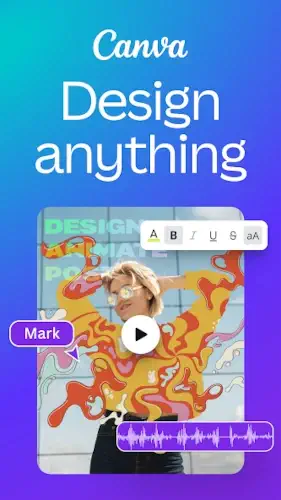
canva app main design interface

Yet, the professional tools that power the design industry often present a formidable barrier, with complex interfaces and a steep learning curve. Canva challenge is to transform intricate design processes into an accessible, intuitive experience for a non specialist audience.

Defining the Canva Ecosystem: A Platform, Not Just an App

It is important to understand Canva’s fundamental nature. It is not merely a mobile photo editor or a simple template gallery. It is a full featured online design and publishing tool with a robust companion app. Its core purpose is to simplify graphic design through a powerful combination of templating and drag-and-drop functionality, removing the technical barriers traditionally associated with visual creation.

The platform’s scope is vast. It offers a massive library of thousands of professionally designed templates tailored for specific use cases, including social media graphics, marketing flyers, business presentations, resumes, and short form videos. This expansion from static graphics into dynamic content underscores its ambition to be a one stop creative suite. This makes it an essential tool for creating a Canva social media post or a Canva video edit quickly.

The key differentiator, and the source of its widespread adoption, is its foundational commitment to a user friendly approach. Canva was built with the explicit goal of making design accessible to everyone, not just trained graphic designers. This philosophy influences every aspect of the platform, from the logical organization of its workspace to the clarity of its tooltips, ensuring that users feel empowered rather than overwhelmed.

Canva User Workflow: From Idea to Final Design

The user experience is structured for efficiency. It begins with the discovery phase, where you choose from a categorized library of templates. You can search for a specific need like “Instagram Story” or “YouTube Thumbnail,” and the platform presents numerous pre sized, professionally styled options as a starting point, eliminating the guesswork from dimension and layout.

This leads into the customization phase. The heart of Canva is its drag and drop editor. You can replace placeholder images from Canva’s own extensive library or upload your own, change text and fonts with a few clicks, and add elements like icons, shapes, and charts from a built-in content library. The interface provides intuitive controls for adjusting colors, positioning, and layering.

A significant enhancement is the AI layer. Features like the Background Remover can isolate a subject in a photo instantly, a task that would require precise manual work in other applications. The Magic Edit tool allows for intelligent object removal or replacement, and text to image generation can create custom visuals from a simple description, augmenting the creative process.

The workflow concludes with a straightforward output phase. Once a design is complete, it can be downloaded in various formats (PNG, PDF, MP4), shared via a link for feedback, or published directly to connected social media platforms, all within a few clicks.

Canva Core Value :

The primary value proposition is accessibility and speed. The ability to produce high quality visuals in minutes, without prior design training, is Canva’s most significant benefit. This democratization of design enables individuals and small teams to maintain a professional visual presence that was previously difficult to achieve.

A closely related value is cost effectiveness. The free tier of Canva is remarkably powerful, offering a substantial number of templates, elements, and core editing tools. This makes professional grade design economically viable for startups, nonprofits, and individuals, lowering the barrier to entry significantly.

For organizations, the consistency enabled by Canva Pro features like Brand Kits is a major advantage. The ability to store approved logos, color palettes, and fonts ensures that all materials created across a team maintain visual coherence, strengthening brand identity.

Finally, the all in one convenience of having graphic design, basic photo editing, and simple video creation tools within a single, integrated platform reduces app switching and streamlines the entire content creation workflow.

The app holds a 4.8 star rating from over 22 million reviews, is rated for ages 3+, and has a download size of approximately 150 MB. For users seeking more advanced AI powered photo editing, PicsArt is a similar app with a strong focus on creative effects.

Canva Practical Considerations and Realities

A key consideration is the freemium model. While the free version is robust, access to the full library of premium templates, a larger stock media collection, and advanced features like the Brand Kit or background removal for video requires a Canva Pro subscription. This paywall covers a significant portion of the most professional assets.

Users should also be aware of customization limits. The template based system is designed for efficiency, which can sometimes feel restrictive for those with very specific or unconventional design visions. It offers less granular control than a professional vector based tool like Adobe Illustrator, trading absolute creative freedom for speed and ease of use.

While real time collaboration is a strength, managing a team on Canva introduces nuances. Setting appropriate permissions for team members and understanding how version history works requires a bit of initial setup to ensure a smooth collaborative process, especially for larger organizations.

Canva’s Position in the Creative Landscape

To grasp Canva’s unique value, it’s useful to compare it to other platforms often categorized as Canva similar apps. Each serves a different primary user need. Adobe Express is its most direct competitor, offering a similar template based, simplified design experience. The key difference often lies in ecosystem integration; Express connects seamlessly with other Adobe products like Photoshop and Illustrator, while Canva has built a more standalone, all in one environment.

Specialized tools like InShot for video editing or Adobe Lightroom for photo processing offer deeper functionality in their specific domains. An advanced user might edit a photo in Lightroom and then import it into Canva for layout, leveraging the strengths of both. Professional suites like the full Adobe Creative Cloud (Illustrator, InDesign, Photoshop) provide unparalleled power and precision for complex, custom projects but come with a significantly steeper learning curve and higher cost.

Canva’s position is clear: it is the leader in user friendly, all in one design for the masses. It dominates the space of quick, effective, and professional looking everyday design. This is a crucial Canva tip: use it as your primary tool for rapid content creation, and only involve specialized software when you encounter a specific need that Canva’s toolkit cannot address, such as intricate vector illustration or advanced color grading for photography.

Practical Tips for Maximizing Your Canva Workflow

Several strategies can significantly enhance your efficiency and results within the platform. First, master the use of shortcuts and the right click menu. Right clicking on any element quickly brings up options like “Copy style” or “Position on page,” which can speed up your workflow considerably. This is one of the most valuable Canva design tips for maintaining consistency across a project.

Leverage the “Projects” feature to keep your work organized. Instead of having dozens of individual designs in your home feed, you can group related items for a client, campaign, or class into a single project folder. This makes assets much easier to locate later.

When working with templates, don’t feel locked into the original design. Use them as a starting point, but experiment significantly. Change the color palette entirely, mix elements from different templates, or alter the layout structure to better suit your message. The best results often come from using templates for inspiration rather than as a rigid framework.

For team use, the Brand Kit is indispensable. Even if you’re not on a paid team plan, using a consistent set of hex codes for colors and a limited selection of approved fonts across all your personal designs will create a more professional and cohesive look for your brand or portfolio.

If you frequently create content for multiple social platforms, use the “Resize” feature rather than creating each post from scratch. You can quickly adapt a design for Instagram, Facebook, and Twitter while maintaining all your design elements, saving considerable time.

canva app social media templates showcase

Conclusion :

The core strength of Canva remains its revolutionary impact on design accessibility. It has successfully dismantled the technical barriers that once separated professionals from amateurs, enabling millions to create visuals they can be proud of. Its success is measured not just in its massive user base, but in the quality of content now being produced by small businesses, educators, and individuals worldwide.

The most balanced perspective is that its value lies in empowerment and efficiency. Canva is not intended to replace the precision of high end professional tools used for complex branding projects, feature length film editing, or detailed digital illustration. Its purpose is to dominate the space of everyday design needs, the social media graphic needed this afternoon, the presentation for tomorrow’s meeting, the event flyer for next week. For these tasks, its speed and ease of use are unmatched.

Therefore, the parting recommendation is to position Canva as an essential tool in the modern digital toolkit. It is the go to platform for quickly creating a wide array of visual content with polish and professionalism. For the small business owner managing their own marketing, the teacher creating engaging classroom materials, or the student assembling a project, Canva is more than just an app, it is a partner in effective communication.

It has effectively democratized design, proving that compelling visuals are not the exclusive domain of experts but a powerful means for anyone to share their ideas with the world.

FAQ

Images from Canva’s library are licensed for use within your Canva designs. The specific license depends on whether the element is Free or Pro. Most content can be used for personal and commercial projects, but there are restrictions on standalone resale or creating trademarked logos with stock imagery. You can review the detailed license terms on their official website.

What is the process for a Canva download and is the app free?

The Canva app is free to download from Google Play Store and offers a substantial free plan. A Canva Pro subscription unlocks premium features. For technical support, you can contact the development team android-app[at]canva.com.

Can I use Canva for commercial purposes like creating client work?

Yes, the standard Canva license allows you to create designs for clients as long as the final deliverable is a flattened design file (like a JPG or PDF). You cannot transfer the license by giving clients the editable Canva file containing Pro elements unless they also have a Pro subscription.

How does Canva compare to professional software like Adobe Illustrator?

Canva is designed for efficiency and accessibility, using templates and a drag and drop interface. It’s ideal for quick social media graphics, presentations, and simple marketing materials. Professional software offers granular control for complex, custom illustrations and print projects. They serve different but sometimes complementary purposes.

What are the main benefits of upgrading to Canva Pro?

Canva Pro provides access to a much larger library of premium templates, photos, and videos. Key features include the Brand Kit for storing logos and brand colors, background remover for videos, magic resize for adapting designs, and increased cloud storage. For frequent users, the time savings and brand management tools often justify the cost.

Leave a Comment